Touch Responsiveness on Portable CarPlay Screens
Why some portable CarPlay displays feel sluggish under your finger, and the handful of things actually worth checking.

Key takeaways
- Most lag is wireless lag, not the touchscreen itself, so a shaky phone connection often feels like a slow screen.
- Cheap resistive panels and thick screen protectors add real delay you can feel with your finger.
- A weak power feed and a hot dashboard both make touch response worse over time.
- Before you blame the hardware, restart the connection, drop the screen protector, and check your cable.
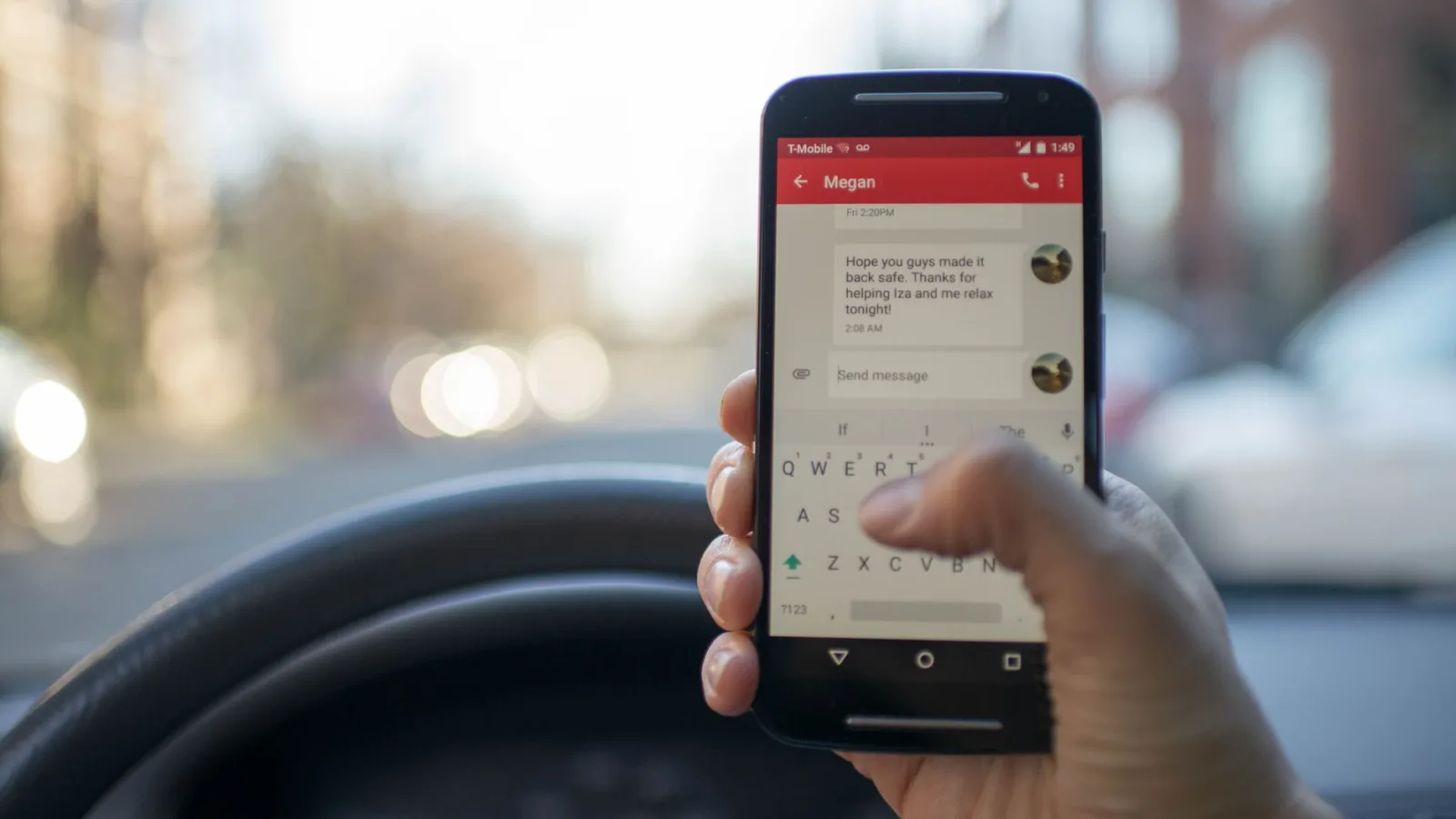
You tap the map to zoom in, and half a second later it finally moves. You swipe to skip a song, and the screen thinks about it before anything happens. If you have used a portable CarPlay screen that feels a beat behind your finger, you already know how annoying that gap is at 65 mph.
Here is the thing most people get wrong. The screen usually is not the problem. Or at least, not the only one.
I spent years pulling apart dashboards, and I have tested a pile of these plug-in CarPlay screens since. The snappy ones and the ones that feel like wet cardboard often use similar panels. The difference comes down to a chain of small things, and once you know the chain, you can fix most of the lag yourself in ten minutes.
What people actually mean by a laggy screen
When someone says the touch feels slow, they are usually lumping two different problems together.
One is real touch latency: the delay between your finger landing on the glass and the screen registering it. The other is display or connection lag: the screen registers your tap fine, but the picture takes a moment to catch up because the video feed from your phone is stuttering.
These feel identical when you are driving. They are not the same problem, and they do not have the same fix.
Good to know
A quick test: tap a button and watch closely. If the button highlights instantly but the next screen loads slowly, that is connection lag. If the button itself is slow to even light up, that is genuine touch latency in the panel.
The wireless connection is the usual suspect

Almost every portable CarPlay screen talks to your phone over wireless CarPlay, which rides on a mix of Bluetooth and a private Wi-Fi link. That link carries the video, the audio, and your touches. When it gets congested or drops packets, everything feels rubbery.
A crowded 2.4 GHz band is a common culprit. Park in a busy lot or garage with dozens of phones and routers nearby and you can watch the response get worse. Move to an open road and it often cleans up on its own.
Your phone matters too. An older phone juggling a hot processor, a weak battery, and a background app storm will hand off a choppier stream. I have seen the same screen feel great with one phone and laggy with another sitting in the same cupholder.
If you want to understand what the wireless side is doing under the hood, Apple has a plain rundown on their CarPlay support pages.
Pro tip
If your portable screen also supports wired CarPlay through a USB cable, try it wired for a day. Wired cuts out the wireless variable entirely. If the lag vanishes, you have found your answer and you can stop chasing the panel.
The panel itself: resistive versus capacitive
This is the one hardware difference that genuinely changes how touch feels, and it is worth knowing before you buy.
Cheaper portable screens sometimes still use resistive panels. Those work by pressing two layers together, so they need a firm poke and they miss light taps. They also fight you on swipes and pinch-to-zoom. If a screen feels like it wants you to jab it, that is often a resistive panel.
Better units use capacitive glass, the same technology as your phone. Light touch, fast response, smooth multi-touch. Almost every screen worth buying today is capacitive, but the bargain-bin stuff on marketplace listings is where the old resistive units hide.
| Panel type | Touch feel | Multi-touch | Typical price band |
|---|---|---|---|
| Resistive | Needs firm press, misses light taps | Poor or none | Under $60 units |
| Capacitive | Light, phone-like, quick | Good pinch and swipe | $80 and up |
A common mistake I see: someone buys the $45 screen, hates the mushy touch, and assumes all portable screens feel that way. They do not. Spend a little more and the panel problem mostly disappears.
The screen protector nobody thinks about
Here is one that trips up a lot of folks. That thick tempered-glass protector you slapped on for scratch protection can add a real layer between your finger and the sensor.
Cheap protectors, especially the ones with air bubbles trapped underneath, mess with capacitive sensing. The screen still works, but taps feel less certain and edges of the display get flaky. Peel it off and suddenly the thing feels new.
If you want a protector, get a thin one rated for touch sensitivity and apply it clean with no bubbles. Or skip it. These screens live on a dash, not in your pocket, so scratches are less of a worry than you think.
Watch out
Greasy fingerprints and dashboard dust also degrade touch on capacitive glass. A quick wipe with a microfiber cloth before a drive does more than people expect, especially in summer when everything gets tacky.
Power and heat, the quiet killers
A portable CarPlay screen is a little computer, and little computers get cranky when they are underfed or overheated.
Underfed comes from cheap wiring. If you are running the screen off a thin cigarette-lighter cable or a weak USB port, the voltage can sag when the screen works hard. A starved screen throttles itself, and touch response is one of the first things to suffer. I have measured lighter-socket cables dropping well below 5 volts under load, which is enough to make any screen unhappy.
Overheated is the summer problem. A black screen baking on a windshield mount in July can hit temperatures that force the processor to slow down. When it throttles, everything lags, touch included. Park in shade, run the vent toward it, or mount it lower on the dash where the sun does not cook it.
Nine times out of ten, a screen that got laggy after a few weeks did not break. It is either running hot or running low on power.
A ten-minute checklist before you blame the screen
Before you return the unit or write an angry review, run through this. Most lag disappears somewhere in this list.
- Restart the CarPlay connection: forget the device on your phone, then pair fresh.
- Try a wired USB connection if the screen supports one, to rule out wireless lag.
- Peel off the screen protector and test with a clean, dry finger.
- Wipe the glass with a microfiber cloth to clear grease and dust.
- Swap the power cable for a thicker one, or move to a stronger USB source.
- Move the screen out of direct sun and let it cool down for a few minutes.
- Close heavy background apps on your phone and check your phone is not overheating.
Work top to bottom. If one step fixes it, you can stop. The order matters because the easy free fixes sit at the top and the hardware questions sit at the bottom.
When it really is the hardware
Sometimes you do everything above and the screen still feels slow. That happens, and it usually points to a genuinely cheap unit.
Signs it is the hardware itself: touch lags even over a wired connection, the panel misses light taps on a clean screen, and swipes stutter no matter what phone you use. If a wired connection does not help and the glass is clean, the panel or the internal processor is just underpowered.
At that point, no amount of fiddling saves it. The good news is that decent portable screens are not expensive anymore. A capacitive unit from a known brand in the $90 to $150 range will feel dramatically better than a no-name $40 special, and the touch difference alone is worth the jump.
Quick note
If you are shopping specifically to fix lag, read the reviews for the words “responsive” and “laggy” rather than trusting the spec sheet. Buyers describe touch feel honestly, and a screen with lots of lag complaints will not surprise you in a good way.
Your next step
Start with the free stuff. Nine times out of ten the fix costs you nothing: re-pair the phone, ditch the screen protector, wipe the glass, and get the screen out of the sun. That handles the vast majority of complaints I hear about portable CarPlay screen touch responsiveness.
If a wired connection and a clean screen still leave you tapping twice, the unit itself is the weak link, and you now know exactly what to look for in a replacement: capacitive glass, a real brand, and buyers who call it responsive. Want to compare wireless behavior across devices? Apple keeps a simple explainer on the official CarPlay page that is worth a skim before you buy anything new.
Frequently asked questions
Intermittent lag almost always points to the wireless connection rather than the screen. Crowded 2.4 GHz areas like parking garages, a phone that is overheating, or background apps hogging your phone can all cause it. It usually clears up on an open road or after you re-pair the phone.
Often yes, if your screen supports wired CarPlay. Going wired removes the Bluetooth and Wi-Fi handoff entirely, so if the lag disappears when plugged in, you know the wireless link was the problem. It is the single best test for separating connection lag from a genuinely slow panel.
It can. Thick tempered-glass protectors, and especially cheap ones with trapped air bubbles, sit between your finger and the capacitive sensor and blunt the response. Peeling it off is a free test, and many people find the screen feels noticeably better without one.
New lag on a screen that used to work is usually heat or power, not a fault. A screen baking in direct sun will throttle its processor, and a thin power cable can starve it of voltage under load. Move it out of the sun and try a thicker power cable before assuming it is broken.
Rarely, but they hide in the cheapest marketplace listings under about $60. Resistive panels need a firm press, miss light taps, and struggle with swipes and pinch-to-zoom. Any capacitive screen from a known brand will feel far better, so it is worth checking the panel type before buying.
Keep reading
Related guides
Getting Sound From a Portable CarPlay Screen
Your portable screen shows the map fine, but the audio has to go somewhere. Here is how FM, AUX and Bluetooth each get you there.
Read guide
Adding a Reverse Camera to a Portable CarPlay Screen
A hands-on walkthrough for wiring a backup camera into a portable CarPlay display so it flips to the camera view when you shift into reverse.
Read guide
Portable CarPlay Screens With a Built-in Dashcam
How combo screens that run CarPlay and record the road actually work, what to look for, and where they fall short.
Read guide