Aftermarket Head Unit vs Portable Screen: Compared
A hands-on look at the built-in radio swap versus the plug-and-play dash screen, so you pick the one that actually fits your car and budget.


Key takeaways
- A portable CarPlay screen sits on the dash and installs in minutes, while an aftermarket head unit replaces your factory radio for a cleaner, permanent result.
- Portable screens start around $60 to $120; a head unit plus install adds up to $200 to $600 or more once you count harnesses and labor.
- Head units drive your speakers directly and keep steering wheel controls; portable screens usually play audio through Bluetooth or an FM transmitter.
- Pick a portable screen for a lease, a beater, or a quick fix; pick a head unit if you want factory-clean looks and better sound for years.
Picture two drivers with the same problem. Both have a 2013 sedan with a stock radio, no CarPlay, and a phone mount clamped to a vent. One spends a Saturday morning pulling the dash apart to fit a new stereo. The other unboxes a screen, sticks it to the dash, and is running Google Maps in eight minutes.
Which one made the smarter call? That depends on the car, the budget, and how long you plan to keep it.
I have installed both kinds for friends and customers, and the honest answer is that neither wins every time. Let me walk you through the real differences so you can match the right one to your situation.
What each option actually is
A portable CarPlay screen is a standalone display, usually 7 to 10 inches, that mounts on top of your dash or clamps to a vent. It has its own processor and runs a stripped-down version of CarPlay or Android Auto. You power it from a 12V socket or a hardwire kit, and it sends sound to your car either over Bluetooth or through a little FM transmitter.
An aftermarket head unit is a full replacement for the radio built into your dash. It slides into the same slot your factory stereo lives in, wires into your speakers and antenna, and becomes the car’s real audio brain. Most modern ones run wired or wireless CarPlay and cost more, but they look and behave like they came from the factory.
So the split is simple to say and harder to decide: add-on box on the dash, or built-in swap behind it.
Good to know
Both approaches give you the same phone apps on a bigger screen. The difference is not the software. It is how the hardware connects to your car and how permanent the result looks.
Install effort and time

This is where the two options split hardest. A portable screen is genuinely a five-minute job. Peel the adhesive pad, press it to a flat spot on the dash, run the power cable to your 12V socket, pair Bluetooth, done. If you can mount a phone holder, you can do this.
A head unit is a different animal. You need to pop the dash trim, unbolt the old radio, and deal with the wiring. That means a wiring harness adapter so you are not cutting factory wires, and often a mounting kit to make an aftermarket stereo fit a dash that was never shaped for it.
On an easy car it takes about 45 minutes to an hour and a half. On a fussy one, with a tricky trim panel or an amplified factory system, it can eat an afternoon. If you have never done it, budget extra time and watch a model-specific video first.
Watch out
A common rookie mistake with head units is skipping the harness and splicing straight into factory wires. Do not. A proper adapter costs $15 to $40 and saves you from a no-start gremlin or a blown fuse later.
What it costs, all in
Sticker price does not tell the whole story, so here is the full picture for both.
| Cost item | Portable screen | Aftermarket head unit |
|---|---|---|
| Device | $60 to $120 | $120 to $500 |
| Wiring harness adapter | Not needed | $15 to $40 |
| Dash mounting kit | Included pad | $20 to $60 |
| Steering control adapter | Not applicable | $15 to $30 |
| Pro install labor | None | $75 to $200 |
| Typical total | $60 to $120 | $200 to $600+ |
If you install a head unit yourself, you skip the labor and land in the $180 to $400 range for most cars. Still more than a portable screen, but you get a lot more for it.
Sound quality and how audio actually reaches your speakers
Here is the part people underestimate. A head unit wires directly into your speaker system. It has real amplification, tone controls, and often a subwoofer output. The sound is clean and loud, the way a factory stereo is.
A portable screen has no speaker wiring at all. It hands audio to your car one of two ways, and both have catches.
Bluetooth to the factory radio
If your car already has Bluetooth audio, the portable screen can stream to it. Sound quality is decent, but you are now running two Bluetooth links at once, your phone to the screen and the screen to the car, which sometimes causes a half-second lag on navigation voice prompts.
FM transmitter
Older cars without Bluetooth rely on the built-in FM transmitter. You tune the radio to an empty station and the screen broadcasts to it. It works, but the audio is FM-quality, which means a faint hiss and weaker bass. In a city crowded with radio stations, finding a clean frequency can be a daily annoyance.
If sound matters to you and your car has no Bluetooth, a portable screen on FM will disappoint you. That alone pushes many people toward a head unit.
The features you keep or lose
Steering wheel controls are the big one. A head unit, paired with a $15 to $30 adapter, keeps your volume and track buttons working. A portable screen cannot touch those buttons, so you reach for the screen instead.
Reverse cameras are another split. Many head units support a backup camera input; portable screens rarely do, or they need their own separate camera kit. Factory features like a rear-seat climate readout or a premium amp can also get complicated with a head unit, though a good install preserves most of them.
- Do you want steering wheel buttons to keep working? Head unit.
- Do you need a backup camera on the screen? Head unit, usually.
- Are you fine reaching for the screen to change volume? Portable is okay.
- Do you already have factory Bluetooth for clean audio? Portable gets easier.
- Is a hidden, wire-free look important to you? Head unit wins.
Looks, theft, and living with it daily
A head unit disappears into the dash. No cables, no perched box, nothing to shout “steal me” through the window. It looks like the car came that way.
A portable screen sits out in the open. There is usually a power cable snaking to the 12V socket, and the whole thing is a lift-and-grab target in a parking lot. Some people pull it off the mount every time they park, which gets old fast.
On the flip side, that same removability is a feature if you switch cars a lot or drive a lease you cannot modify. You take the screen with you and leave zero trace.
Pro tip
If you go portable, spend a few dollars on a hardwire kit that taps a fuse instead of hogging your 12V socket. It hides the cable and frees the socket for a phone charger. It takes twenty extra minutes and looks ten times cleaner.
Which one fits your situation
Think about how long the car stays with you. If you are in a two-year lease or driving a $2,000 winter beater, a portable screen makes total sense. Low cost, no commitment, and you walk away clean.
If this is your daily driver for the next five years, a head unit pays you back. Better sound, kept controls, a clean dash, and a backup camera if you want one. Yes, it costs more and takes real effort, but you feel it every single drive.
There is a middle path too. If your car has a simple single or double DIN slot and you are handy, a self-installed head unit gets you the premium result at close to portable-screen money. The main tax is your Saturday.
You can read more about how the underlying software behaves in this overview of CarPlay or Apple’s own CarPlay page if you want the feature list straight from the source.
Your next move
Start by figuring out one thing: how long you are keeping the car. That single answer points you at the right column faster than any spec sheet.
Keeping it a while and you care about sound? Measure your dash slot, check whether it is single or double DIN, and price a head unit with the right harness. If you are unsure about fit, that measurement step is worth doing before you buy anything.
Want it done today with zero tools? Grab a portable screen in the $60 to $120 range, add a hardwire kit, and you are running maps and music before lunch. Either way, you are ditching that vent-clamped phone, and that is a win.
Frequently asked questions
Almost any car with a 12V socket can power one, so yes for the display itself. The catch is audio: your car needs either Bluetooth audio or a working FM radio for sound to reach the speakers. Very old cars without either are tricky, though most from the last 20 years handle FM at least.
Not if you buy the right adapter. A steering control interface, usually $15 to $30, maps your factory buttons to the new stereo. Skip it and you lose those buttons, so factor it into the budget when you compare a head unit against a portable screen.
In most cases, clearly yes. A head unit wires straight into your speakers with real amplification and tone control. A portable screen leans on Bluetooth or an FM transmitter, and FM in particular adds hiss and weak bass. If audio quality is a priority, the built-in route is the safer bet.
A portable screen is a five-minute job anyone can do. A head unit takes more nerve: dash trim removal, a wiring harness, and sometimes a mounting kit, usually 45 minutes to a couple of hours. Plenty of first-timers manage a head unit with a model-specific video, but it is a real project.
A portable screen, in most cases. It leaves no permanent marks, needs no wiring changes, and you can take it to your next car. Head units usually require modifying the dash, which many lease agreements do not allow, so the add-on box keeps you in the clear.
Keep reading
Related guides
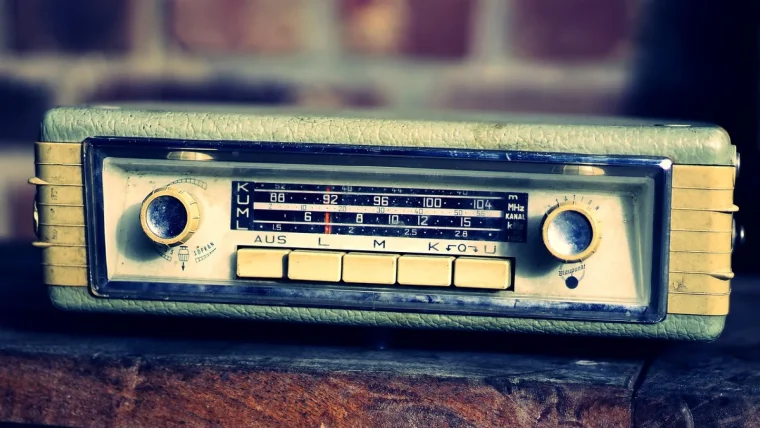
Adding CarPlay to an Older Car With a New Stereo
A plain-spoken walkthrough for swapping a tired factory radio for a modern head unit that runs CarPlay in a car that never shipped with it.
Read guide
6 Head Unit Buying Mistakes That Cost You Money
The six errors that turn a fun stereo upgrade into a pile of returns, extra parts, and a dashboard that looks half finished.
Read guide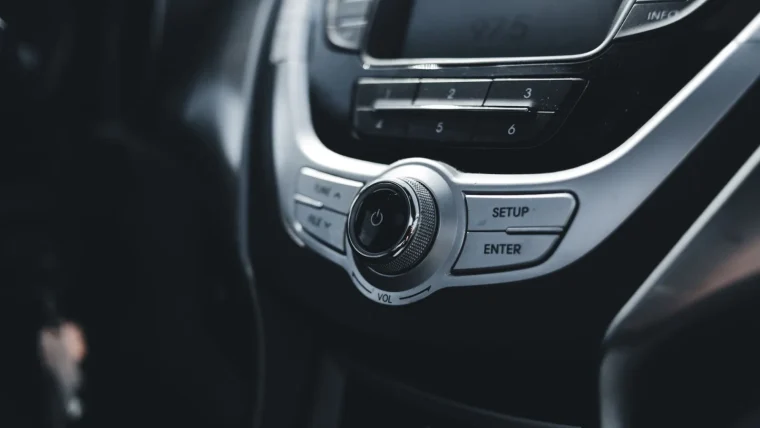
Aftermarket Head Unit Not Working: Troubleshooting
Your new stereo is dark, rebooting, or silent. Here is how to track down the fault and get it running the way it should.
Read guide