Are Wireless CarPlay Adapters Worth It?
A straight answer on whether paying $50 to $120 to cut the cable is money well spent for your daily drive.

Key takeaways
- For a short daily commute, a wireless adapter saves you a small ritual every single trip, and that adds up.
- Expect to pay $50 to $120, and budget models under $40 tend to lag or drop the connection.
- If you keep your phone plugged in for charging anyway, the case for going wireless gets weaker.
- Older phones and finicky head units can make the convenience less reliable than the marketing suggests.
You get in the car, drop your bag on the passenger seat, and reach for the cable. It has slid down between the seat and the console again. You fish it out, plug in, wait for the maps to load, and only then pull out of the driveway. Small thing. You do it maybe four times a day.
That little ritual is exactly what a wireless CarPlay adapter promises to erase. Plug the dongle into your car’s USB port once, leave it there, and your phone connects on its own while it is still in your pocket. No cable, no fishing, no fumbling.
The question is whether skipping that 10-second chore is worth $50 to $120 of your money. I have installed and lived with several of these, and the honest answer is: it depends on how you drive and what you expect. Let me walk you through it.
What you are actually paying for
A wireless adapter is a tiny box that fools your car into thinking a phone is plugged in with a cable. It holds a wired CarPlay session with the head unit and hands your phone a private Wi-Fi and Bluetooth link. Your phone talks to the box, the box talks to the car.
You are not buying new features. Every app, every map, every Siri command works the same as it did with the cable. What you are buying is the removal of one physical step. That is the whole pitch, and it is worth being clear-eyed about it before you spend.
Prices sort into rough tiers. Under $40 you find no-name dongles that often lag or drop. Around $50 to $80 sits the sweet spot where established brands live. Above $100 you get faster chips, better heat handling, and sometimes a 2-in-1 unit that also does Android Auto.
Good to know
These adapters only work if your car already has wired CarPlay built in. They add wireless to a wired system. They cannot add CarPlay to a car that never shipped with it.
The case for spending the money
The convenience is real, and it shows up most on short trips. If your commute is 12 minutes each way with a stop for coffee, you connect four or five times a day. Cutting a 10-second plug-in ritual out of every one of those trips is genuinely nice.
There is a wear-and-tear angle too. Charging ports loosen over years of plugging and unplugging, and a frayed Lightning or USB-C cable is a $20 annoyance you replace every so often. Leave the adapter in permanently and your car’s port stops taking daily abuse.
It also keeps your phone free. When it connects on its own, you can leave it in the cupholder or a wireless charge pad and never touch it. For anyone who hates seeing a cable draped across the dash, that tidiness matters more than it sounds.
My rule of thumb: the shorter and more frequent your drives, the more a wireless adapter earns its price. Long highway hauls barely notice it.
The honest trade-offs nobody advertises
Wireless is not free of friction, it just moves the friction around. The biggest one is the connect delay. A cable is instant. A good adapter takes 15 to 30 seconds to link up after you start the car, and a cheap one can take a minute or refuse until you cycle Bluetooth.
Then there is charging. A cable charges your phone while you drive. Go wireless and your battery drains during navigation unless you add a separate charge pad or cable, at which point you are half-wired again. If you already keep your phone plugged for power, the whole argument for cutting the cable gets thin.
Heat is the third one. These boxes run a Wi-Fi radio in a hot car, and the budget units especially can overheat on a summer afternoon and disconnect. Placement matters. Tucked out of direct sun, most behave.
Watch out
A dongle sitting in direct sunlight on a 95 degree day is asking for dropouts. Route it to a shaded USB port or run a short extension cable to a cooler spot in the console.
Wired versus wireless, side by side
Here is the trade laid out plainly. Neither column is wrong, they just suit different drivers.
| Factor | Wired CarPlay | Wireless adapter |
|---|---|---|
| Cost | Cable only, $10 to $25 | Adapter, $50 to $120 |
| Connect time | Instant | 15 to 30 seconds |
| Charges phone | Yes, always | No, unless you add a pad |
| Reliability | Rock solid | Very good on quality units |
| Daily convenience | Plug in each trip | Connects on its own |
If you want the full breakdown of that decision, the wired versus wireless topic deserves its own careful look, and there is more to weigh than this quick table shows.
Who should buy one, and who should not
Some people get real daily value from these. Others spend $80 and quietly go back to the cable within a month. Here is how to tell which camp you are in.
- You take lots of short trips and connect several times a day
- Your phone already tops up on a wireless charge pad in the car
- You have a recent iPhone (iPhone 12 or newer connects fastest)
- Your head unit’s wired CarPlay is stable to begin with
- You are willing to spend $50 or more rather than gambling on a $30 unit
If most of those are true, a wireless adapter will probably make you happy. If you drive long stretches, keep your phone plugged for charging anyway, or run an older phone, the math tilts back toward the cable you already own.
Pro tip
Before you buy, confirm your exact car model and year runs wired CarPlay reliably. If the wired connection already glitches, a wireless layer on top will glitch more, not less.
What separates a good adapter from a bad one
The price gap between a $35 dongle and an $90 one is not marketing fluff. It buys a faster processor, a better Wi-Fi chip, and firmware that actually gets updated when a new iOS release breaks something.
Cheaper units cut corners on the radio and the heat design. That is where the lag, the summer dropouts, and the slow reconnects come from. If you are going to do this, spend in the middle of the range from a brand that ships firmware updates. It is the difference between forgetting the adapter is there and cursing it every morning.
Apple keeps a plain-language overview of how the wireless side is meant to work on its CarPlay support pages, and it is worth a two-minute read so you know what a healthy connection should feel like. When yours falls short of that, you usually have a hardware or placement problem, not a phone problem.
A common mistake I see
People buy the cheapest adapter they can find, hit lag on day two, and conclude wireless CarPlay is junk. It is not junk. They bought a junk box. The technology works fine when the hardware is decent.
So is it worth it for you
Add it up honestly against your own driving. If you connect four or five times a day on short hops and you hate the cable ritual, $60 or $70 for a quality adapter is easy money that pays you back in small comforts every single day.
If you drive long and keep your phone charging on a cable regardless, the wireless upgrade is a nice-to-have you will barely notice, and you can skip it without missing much.
Your next step is simple. Confirm your car has wired CarPlay and that it runs cleanly. Then pick a mid-range adapter from a brand with a real update history, and route it somewhere shaded. Do that, and you will land in the group that forgets the adapter is even there, which is exactly where you want to be.
Frequently asked questions
Plan on $50 to $80 for a reliable unit from an established brand. Units under $40 tend to lag or drop the connection, and models above $100 mostly add faster chips or 2-in-1 Android Auto support you may not need.
No. The adapter only handles the CarPlay data link, not power. Your phone will slowly drain during navigation unless you add a separate wireless charge pad or a charging cable, which puts you back to a partly wired setup.
No. These adapters need a car that already has wired CarPlay built into the head unit. They convert an existing wired connection to wireless. They cannot add CarPlay to a vehicle that never shipped with it.
A short 15 to 30 second delay is normal while the adapter establishes its Wi-Fi and Bluetooth link. If it regularly takes over a minute, you likely have a cheaper unit, a weak radio, or a placement that lets it overheat.
A quality mid-range unit is very reliable once it is set up and placed out of direct sun. Cheap dongles are where most reliability complaints come from. Matching a decent adapter to a car whose wired CarPlay already runs cleanly gives the best results.
Keep reading
Related guides
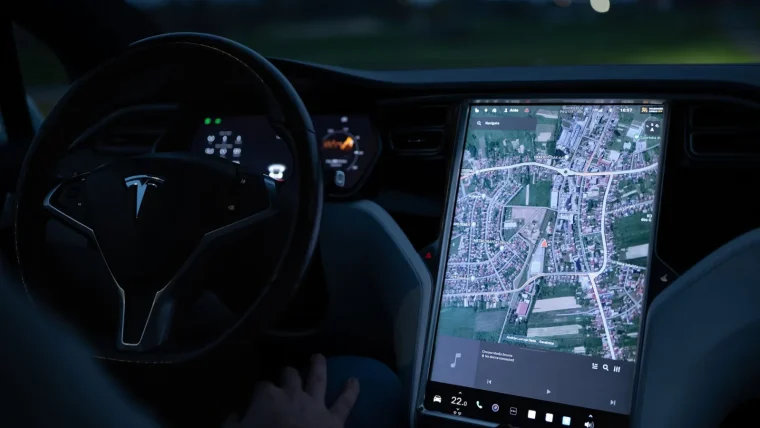
Wireless CarPlay Adapter Overheating: What to Do
Why your dongle runs hot, when heat actually matters, and the quick fixes that keep it working on long drives.
Read guide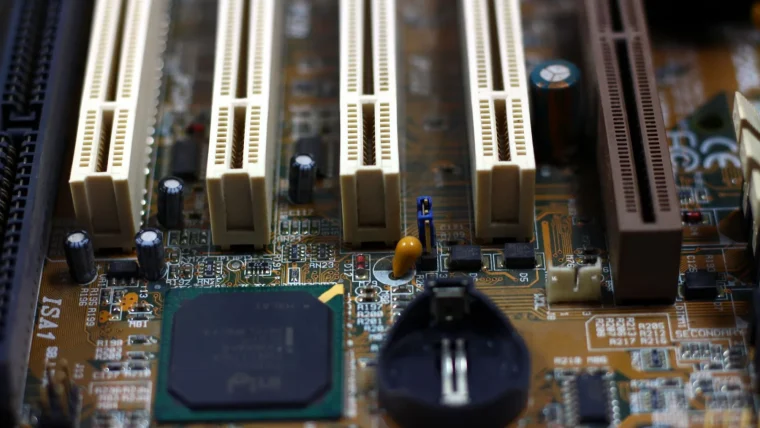
How to Choose the Right Wireless Adapter Chipset
The little chip inside your dongle decides whether CarPlay loads in 8 seconds or 40. Here is how to read the spec that actually matters.
Read guide
2-in-1 CarPlay and Android Auto Adapters Explained
A plain-spoken look at how dual-platform wireless dongles work, who actually needs one, and where they trip people up.
Read guide