How to Choose an Aftermarket Head Unit
The features that actually earn their keep when you swap your factory radio, and the ones you can safely ignore.


Key takeaways
- Confirm your DIN size and dash opening before you look at a single feature.
- Wireless CarPlay and a bright screen matter more day to day than fancy EQ menus.
- Preamp outputs and a decent chipset separate a good unit from a laggy one.
- Budget for a dash kit and wiring harness, not just the radio itself.
You are standing in the aisle at the car parts store, or more likely scrolling three tabs deep on your phone at midnight, and every stereo looks roughly the same. Big black rectangle, glowing screen, a price that swings from $120 to $900 for reasons nobody explains. So which one actually belongs in your car?
I spent years pulling factory radios and dropping in aftermarket units for people, and I can tell you the spec sheet lies by omission. The stuff that makes a stereo pleasant to live with rarely gets top billing. The stuff that gets top billing is often marketing.
Let me walk you through what I check first, in the order I check it, so you spend money on the parts that change your daily drive.
Start with the hole in your dash, not the screen
Before you fall for any feature, measure your opening. Head units come in two main sizes: single DIN (about 2 inches tall) and double DIN (about 4 inches tall). A double DIN radio will not squeeze into a single DIN slot, full stop.
Most cars from roughly 2005 onward use a double DIN opening, which is what you want anyway since that is where the big touchscreens live. Older trucks and a lot of European cars run single DIN. If yours is single DIN and you still want a screen, you have two paths: a modular unit with a screen on a stalk, or a floating-screen radio that mounts a single DIN body and props a big display in front of the dash.
Watch out
Never guess your DIN size from how the radio looks. Trim panels hide the real opening. Pull the trim or check a fitment lookup for your exact year and trim before you buy anything.
The other measurement people forget is depth. Some dashes are shallow, and a chunky unit with a big rear heat sink will bottom out against a wiring loom or an HVAC duct. Check the mounting depth spec against your car, especially on compact cars and older pickups.
Wired or wireless CarPlay, and why it matters more than you think

If you are buying a stereo in 2026, phone mirroring is the whole point for most people. The question is whether you want CarPlay and Android Auto over a cable or over a wireless link.
Wired works fine and it keeps your phone charged. But you end up with a cable draped across the console, and you plug in every single time. Wireless connects the moment you start the car, phone stays in your pocket or bag.
Here is the honest tradeoff. Wireless phones sip battery, so you may still want a charge cable or a wireless charge pad. And cheaper wireless units can drop the connection or lag on maps. Read owner reviews specifically about reconnection reliability, not just the star rating.
Pro tip
If two units are close on price and one adds wireless CarPlay for $40 to $60 more, take the wireless one. It is the single upgrade people tell me they notice every day.
The screen: brightness and responsiveness beat resolution
Everyone shops by screen size. A 7-inch versus a 10-inch display is a real decision, but it is not the one that determines whether you like the radio.
Brightness is. A dim screen washes out the second the afternoon sun hits it, and cheap panels do exactly that. Look for a capacitive touchscreen (the kind your phone uses) rather than an old resistive panel that needs a firm poke. Capacitive screens swipe and pinch like you expect.
Responsiveness comes down to the processor behind the glass. A weak chipset makes maps stutter and menus lag half a second behind your finger. That half second drives you nuts by week two. Units in the $250 and up range usually run a quad-core chip that keeps CarPlay smooth.
How screen styles compare
| Screen style | Best for | Watch for |
|---|---|---|
| Standard fitted | Clean OEM look, double DIN dashes | Screen size capped by the opening |
| Floating | Big display on a single DIN body | Can block vents or trim buttons |
| Modular | Hidden electronics, screen on a stalk | More cost, trickier install |
Sound hardware that separates good from forgettable
Two numbers actually matter for sound, and neither is the watt rating on the box. That big wattage figure is peak power, and it is close to fiction.
Look for RMS power instead, which is the honest continuous output, usually around 18 to 22 watts per channel on most units regardless of the peak claims. If you plan to add an amplifier later, that internal number stops mattering anyway.
The spec that does matter is preamp outputs, often called RCA outputs or preouts. More preouts (four or six, ideally at 4 volts or higher) give you clean signal to feed amps and a subwoofer down the road. A unit with two 2-volt preouts will limit you the day you want more.
The wattage on the front of the box is a party trick. The preamp voltage on the back of the box is what your system will be built on.
Steering wheel controls and the parts you forgot to budget for
Here is where new buyers get an ugly surprise. The radio is only part of the bill.
Most cars need a dash kit (the plastic trim that fills the gap around a new unit) and a wiring harness adapter so you are not cutting factory wires. Budget $15 to $60 for those together. Many cars also need a small interface module to keep your steering wheel buttons working, another $20 to $60.
- Confirmed DIN size and dash depth
- Dash kit for your exact year and trim
- Wiring harness adapter (no cutting factory plugs)
- Steering wheel control interface if your car uses one
- Antenna adapter if your car needs one
- Backup camera input if you plan to add one
Good to know
Losing your steering wheel volume and track buttons is one of the most common regrets I hear. Confirm your unit supports a control interface for your car before you check out, not after.
Features that sound great and rarely get used
Some line items pad the spec sheet and the price. Built-in navigation is the big one. If your phone already runs Google Maps or Apple Maps through CarPlay, you do not need the unit’s own clunky nav that costs extra and updates never.
DVD playback is another relic on many units. Ask yourself honestly if anyone in the car will ever load a disc.
On the flip side, a couple of quiet features earn their place: a rear camera input (huge for parking and cheap to add), Bluetooth for calls when you are not mirroring, and a USB port that actually delivers enough amperage to charge a phone fast.
How to make the final call
Put it in this order and the choice gets simple. First, size and fitment, because a radio that does not fit is scrap. Second, wireless CarPlay if the budget allows, since it changes every drive. Third, a bright capacitive screen with a real processor so it never lags.
After that, count your preouts if sound is your thing, confirm your steering wheel controls will survive, and add the dash kit and harness to your cart at the same time so the total is honest.
My last bit of advice: pick the unit one notch above the cheapest one that checks your boxes. The rock-bottom models are where the laggy chips and dim screens live. Spend the extra $50, and you will forget you ever had a factory radio, in the good way. For a deeper look at wireless-specific units or whether a double DIN swap is right for you, those are worth reading next before you buy.
Frequently asked questions
Only if the dash opening physically supports it, which most single DIN cars do not without modification. Some vehicles have a dual-slot dash that can be reworked with a kit, but many cannot. Measure your opening first, and if you are stuck at single DIN, look at floating-screen or modular units instead.
Add roughly $35 to $120 on top of the radio for a dash kit, wiring harness adapter and a steering wheel control interface. Some cars also need an antenna adapter for a few more dollars. A $300 radio can easily become a $380 project once the fitment parts are in the cart.
For most people, yes. Wireless connects automatically the moment the car starts, so your phone stays in your bag. The tradeoffs are slightly faster phone battery drain and, on cheaper units, occasional connection drops, so read reviews about reconnection reliability before buying.
Almost never if you already use CarPlay or Android Auto. Your phone's maps are more current and easier to use than any built-in nav, which usually costs extra and rarely gets map updates. Skip it and put that money toward a brighter screen or wireless mirroring.
Peak watts is the momentary maximum a unit can hit and it is largely a marketing number. RMS is the continuous power the unit actually delivers, usually around 18 to 22 watts per channel. If you plan to add an amplifier, focus on preamp outputs instead of either wattage figure.
Keep reading
Related guides
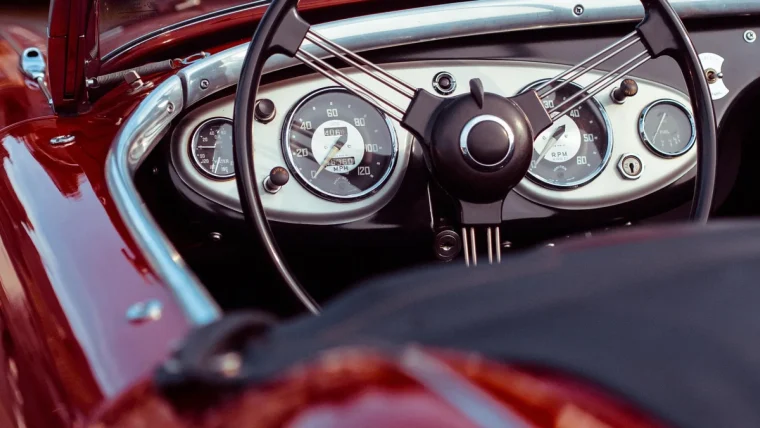
Dash Kits and Fascia Panels: Making a Stereo Fit
The trim pieces that turn a bare stereo hole into a clean, factory-looking install, and how to pick the right one.
Read guide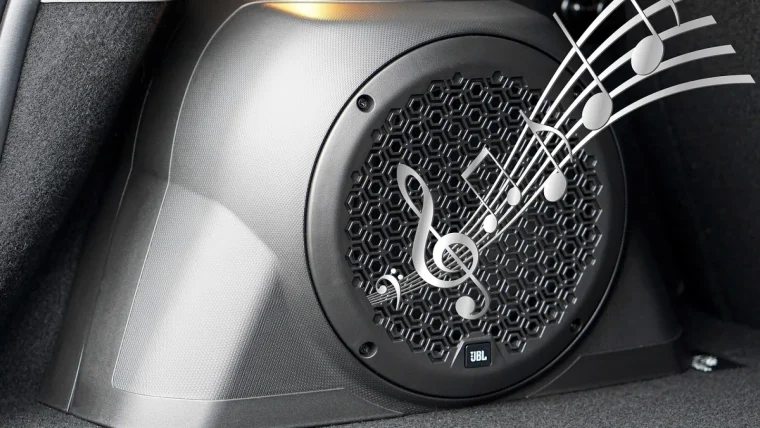
Head Units With Wireless CarPlay: What to Look For
How to pick a stereo that runs CarPlay over the air without dropouts, laggy screens or a cable dangling from your dash.
Read guide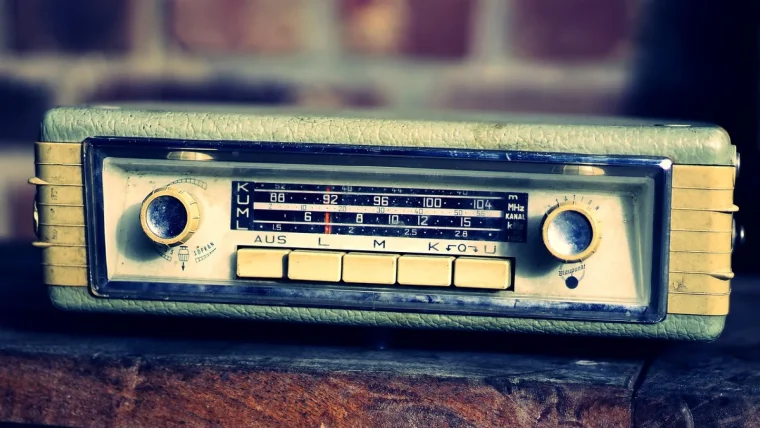
Adding CarPlay to an Older Car With a New Stereo
A plain-spoken walkthrough for swapping a tired factory radio for a modern head unit that runs CarPlay in a car that never shipped with it.
Read guide