Can You Use CarPlay With Two Phones?
Yes, one car can work with two phones on CarPlay. Here is how switching between them actually behaves day to day.


Key takeaways
- One car can remember several phones, but CarPlay runs only one phone at a time.
- Wireless setups switch phones far more easily than wired ones.
- Whichever phone connects first usually wins the session on startup.
- You can forget or reorder devices in your car settings to control who gets priority.
Picture a two-driver household. You take the car to work, your partner takes it on weekends, and both of you have a phone glued to your pocket. So whose phone owns the screen?
This comes up constantly with couples, families sharing one car, and anyone who just upgraded and still has the old phone kicking around. The short answer is that your car is happy to remember more than one phone. What it will not do is run both at the same time.
Let me walk through how this actually plays out, because the marketing version and the driveway version are two different things.
What your car can and cannot remember
Almost every head unit from the last several years can store multiple paired phones. I have set up cars that held four or five devices without complaint. Your BMW, Honda, or Toyota is not going to panic because two iPhones live in its memory.
Here is the catch. CarPlay is a one-phone-at-a-time system. At any given moment, exactly one device is driving the display, the audio, and Siri. The others sit in the background, paired but idle, waiting their turn.
Think of it like a single chair at a desk. Two people can both have keys to the room. Only one sits down at once.
Good to know
This is true for both Apple CarPlay and Android Auto. Neither one supports a genuine split where two phones share the screen. If you have an iPhone and an Android phone in the same car, the car simply runs whichever one is connected.
Wired setups: the cable decides
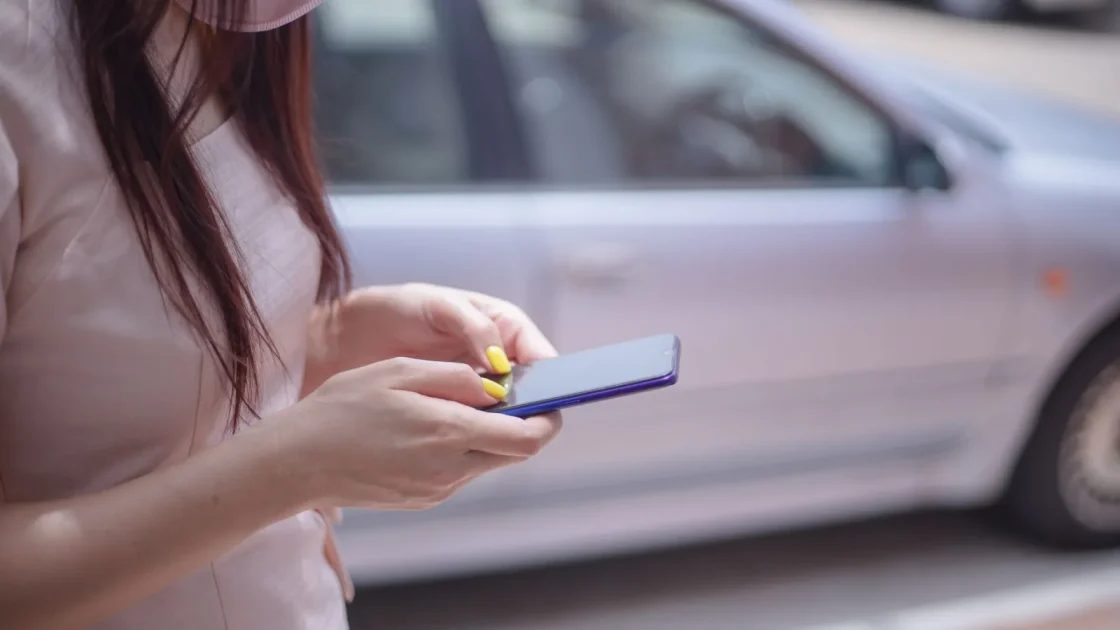
With a wired connection, life is simple in a slightly annoying way. Whichever phone is plugged into the CarPlay USB port is the phone in charge. Full stop.
Want to switch drivers? Unplug one phone, plug in the other. The car catches on within a few seconds and swaps the session over. There is no menu dance most of the time.
The common mistake I see: people plug the second phone into a charging-only port and wonder why nothing happens. Only one USB port on most cars carries the data connection CarPlay needs. Find that port, mark it if you have to, and the wired handoff becomes muscle memory.
Pro tip
Put a tiny dab of nail polish or a sticker on the CarPlay data port. In a car with three or four USB spots, this saves everyone in the household a lot of confused plugging.
Wireless setups: where it gets interesting
Wireless CarPlay is where the two-phone question gets its real answer. Both phones connect over Bluetooth for the handshake, then Wi-Fi for the actual data. No cable to arbitrate, so the car has to make a choice on its own.
Most cars follow a first-come rule. When you start the engine, the car reaches out to paired phones, and whichever one answers and connects first grabs the session. If your phone and your partner’s phone are both in the car, it can come down to which one woke up faster.
That leads to the classic scene: you get in, start driving, and your spouse’s podcast starts playing because their phone connected before yours did. Been there. It is not broken, it just picked the wrong roommate.
Taking control of the switch
You have a few levers here. Most head units have a screen where you can see connected devices and manually select which phone runs CarPlay. It is usually one or two taps once you find it.
You can also lean on Bluetooth itself. If only one phone has Bluetooth turned on, that is the one the car grabs. Toggling Bluetooth off on the phone you are not using is a blunt but reliable way to force the handoff.
- Open your car’s phone or connection settings screen
- Look for a list of paired or connected devices
- Tap the phone you want to run CarPlay right now
- Give it 5-15 seconds to swap the session over
- If it stalls, turn Bluetooth off on the other phone and retry
Wired versus wireless for two phones
If sharing a car is a regular thing in your life, this table sums up how the two connection styles compare when two phones are in play.
| Situation | Wired | Wireless |
|---|---|---|
| Switching phones | Unplug, replug the cable | Tap a menu or toggle Bluetooth |
| Who connects on startup | Whoever is plugged in | Usually whoever connects first |
| Accidental takeover | Rare, cable is deliberate | Common if both phones are present |
| Best for | One main driver | Two frequent drivers |
Neither is wrong. A single-owner car is fine on a cable. A car that two people drive weekly is much less frustrating on wireless, once you learn the switch.
The passenger phone question
People often ask if the passenger can run their music through CarPlay while the driver navigates. The honest answer is no, not through CarPlay itself. Only the connected phone touches that screen.
There is a decent workaround. The passenger can pair their phone to the car over plain Bluetooth audio, separate from CarPlay. The driver’s phone handles the map and the screen, and the passenger’s phone streams music through the same speakers. It is not elegant, but it works in a pinch on long trips.
The screen belongs to one phone. The speakers can be a little more generous if you set it up that way.
Just know the audio can get into a tug of war. If both phones try to play sound, one will usually interrupt the other. Decide who is the DJ before you pull out of the driveway.
Cleaning up when the car gets crowded
After a year of sharing, a car can accumulate old phones, a friend’s device from that one road trip, and a work phone nobody uses anymore. That clutter makes the wireless first-come lottery worse, because more phones are racing to connect.
Go into your car’s Bluetooth or device list and forget the phones you do not use. Fewer paired devices means faster, more predictable connections. I do this every few months in any car I share.
Watch out
Forgetting a device in the car usually means you also have to forget the car on that phone, then pair fresh next time. Do not delete a phone you still need right before a long drive. Set it up again while you are parked with time to spare.
If you want the deeper background on how the system was built to behave, Apple’s own CarPlay support pages spell out the connection basics, and the CarPlay overview on Wikipedia covers the history if you are curious.
Setting up your shared car the right way
Here is what I would do if two of you split one car. Pair both phones once, properly, while parked. Then decide who is the default driver and make sure that phone connects first when it matters, either by keeping the other phone’s Bluetooth off or by learning the manual switch on your specific head unit.
Test the handoff in the driveway, not on the highway. Swap phones twice so you both know the exact taps. Five minutes now saves a week of your spouse’s true-crime podcast ambushing your commute.
Two phones and one car is a solved problem. The car remembers everyone, one phone drives at a time, and you control the switch. Learn where that switch lives in your particular car, and the whole thing fades into the background where it belongs.
Frequently asked questions
No. A car can pair with several phones and remember them all, but CarPlay only runs one phone on the screen at any moment. The others stay idle in the background until you switch.
On a wired setup, unplug the first phone and plug in the second. On wireless, open your car's connected-devices screen and tap the phone you want, or turn Bluetooth off on the phone you are not using so the car grabs the other one.
Most wireless cars connect whichever paired phone answers first. If both phones are present, the faster one wins. Turn off Bluetooth on the phone you do not want, or forget it in the car to stop the accidental takeover.
Not through CarPlay directly, since only one phone owns the screen. The passenger can pair their phone as a plain Bluetooth audio device instead, so the driver's map runs on screen while the passenger streams music through the speakers.
No. The car simply runs CarPlay for the iPhone or Android Auto for the Android phone, depending on which one is connected. It cannot run both projection systems at once, so only the connected phone controls the display.
Keep reading
Related guides

Using the CarPlay Dashboard and Split View
The Dashboard screen puts your map, music and next turn side by side, and it changes how a drive feels once you set it up right.
Read guide
How to Set Up CarPlay: A Step-by-Step Guide
Everything a first-timer needs to get their iPhone talking to the car screen, from plugging in to fixing the setup that refuses to connect.
Read guide
Messaging Safely With CarPlay While Driving
Read and reply to texts with your voice and your eyes on the road, using the parts of CarPlay most people never bother to set up.
Read guide