Budget Head Units With CarPlay: What to Expect
A hands-on look at what cheap CarPlay stereos do well, where they cut corners, and how to buy one without regret.

Key takeaways
- Under $150 you can get wired CarPlay that works fine, but expect a dimmer screen and slower touch response.
- The biggest budget compromises are screen brightness, sound processing depth, and build quality of the buttons and knobs.
- Wireless CarPlay does show up on cheap units now, but it can be laggy and prone to dropouts on the very lowest tier.
- Read the fine print on brand names, warranty, and included wiring harness before you trust a rock-bottom price.
You want CarPlay in your daily driver, but you just spent $600 on brakes and the idea of dropping $800 on a stereo makes your stomach turn. So you open a shopping app, sort by price, and there it is: a 7-inch touchscreen with CarPlay for $89. Too good to be true, or a genuinely smart move?
The honest answer sits somewhere in the middle. I’ve installed both ends of the spectrum, from $700 flagship units to $70 no-name boxes, and the cheap ones surprise people more often than they disappoint. They also cut corners in ways that only show up three months later.
Here’s what actually happens when you go budget, based on units I’ve bolted into real dashboards and lived with.
What a cheap CarPlay stereo genuinely gets right
The core function usually just works. Plug your phone in, CarPlay loads, maps and music and messages all show up on the screen. For most people that’s 90 percent of why they wanted the upgrade, and a $100 unit delivers it.
The reason is simple. CarPlay is Apple’s software running on your phone. The head unit is basically a screen and a dumb pipe. So the experience you see is mostly Apple’s work, not the stereo maker’s. A budget box and a premium one both render the same interface once your phone takes over.
Sound is better than you’d expect too. Even a $120 unit will out-perform the factory radio in a 2012 Honda Civic, because factory economy radios set a low bar. You get a real amplifier, usually four channels at around 45 watts peak (much less RMS, but still), plus preamp outputs for adding a sub later.
Pro tip
If your only goal is wired CarPlay plus decent sound in an older car, a well-reviewed $100 to $150 unit will make you happy for years. Spending triple gets you polish, not a different core experience.
Where budget units cut the corners

Screen quality is the first tell. Cheap panels run dimmer, often around 300 to 400 nits, so midday sun washes them out. The touch layer is resistive-feeling on the worst ones, meaning you press and wait a beat before it responds. Premium units use brighter, faster capacitive glass like your phone.
Sound processing is the second. A $400 unit gives you a real graphic equalizer, time alignment, and crossover control so you can dial the system to your car. A $90 unit gives you bass, mid, treble and maybe a few presets. The amp is quieter than the spec sheet suggests, so if you crank it, you’ll hear it strain.
Build quality is the quiet one. Volume knobs get loose, buttons lose their click, and the plastic bezel can rattle over speed bumps. None of that stops CarPlay from working, but it wears on you daily.
Watch out
Some ultra-cheap listings show the CarPlay logo but actually run a knock-off mirroring app, not real Apple CarPlay. If the description says “link” or “phone connect” instead of naming CarPlay outright, treat that as a red flag and keep scrolling.
Wired vs wireless on a budget
Wireless CarPlay used to be a premium feature. Now it shows up on units under $150, which is genuinely nice. You get in the car, phone stays in your pocket, and CarPlay connects on its own.
The catch is consistency. On the cheapest wireless units the Wi-Fi and Bluetooth handoff can be flaky. You might see a 5 to 10 second connect delay every drive, or the occasional audio dropout at a stoplight. Mid-tier units around $200 handle wireless much more reliably.
My honest take: if wireless matters to you, spend a little above the floor. A $180 unit with solid wireless beats a $90 unit that reconnects half the time. If you don’t mind plugging in a cable, wired at $100 is rock solid and often looks cleaner on screen because it’s a direct link.
| Feature | Budget (under $150) | Mid-range ($200 to $400) |
|---|---|---|
| Screen brightness | 300-400 nits, dim in sun | 500-1000 nits, readable |
| Touch response | Slight lag | Phone-like, snappy |
| Sound tuning | Basic EQ, presets | Full EQ, time alignment |
| Wireless CarPlay | Sometimes, can drop | Reliable |
| Build feel | Rattly knobs, thin plastic | Solid buttons, metal chassis |
| Warranty | Often 90 days to 1 year | 1 to 3 years |
Reading a cheap listing without getting burned
The price is only half the story. The listing itself tells you whether a seller is serious or just moving boxes. I look for a few specific things before I trust any budget stereo.
- Named support for “Apple CarPlay” spelled out, not vague phrases like “smart link”
- A stated screen resolution (1024×600 is fine, anything lower looks grainy)
- A real warranty length in the description, ideally a year
- Preamp RCA outputs listed if you ever want to add an amp or sub
- An included wiring harness and, ideally, a mounting kit or dash cage
- Reviews with actual installed photos, not just stock images
That last point saves the most grief. A listing with 40 customer photos of the unit in real dashboards tells you more than any spec table. People post when it fits and works, and they definitely post when it doesn’t.
Good to know
Many budget units ship without the car-specific dash kit you need to fill the gap around the screen. Check whether your car needs a single or double DIN kit and factor another $15 to $40 for it. That’s separate from the wiring harness.
The hidden costs that shrink the gap
A $90 stereo rarely stays $90. By the time you add a car-specific wiring harness adapter ($15 to $25), a dash mounting kit ($20 to $40), and possibly a steering wheel control adapter ($15 to $30), you’re at $150 or more. That math matters, because a $180 mid-tier unit sometimes lands close once the extras pile up.
Installation is the other one. If you pay a shop, they’ll charge $75 to $150 regardless of what stereo you hand them. Spending that labor on a flimsy unit you replace in a year is a false economy. Doing it yourself is very doable on most cars in an afternoon, and it keeps the whole project cheap.
The cheapest stereo isn’t the one with the lowest sticker. It’s the one you install once and never think about again.
If you’re curious how CarPlay works under the hood before you buy, Apple’s own CarPlay overview lays out what the phone handles versus the screen, which is exactly why cheap units can still feel good.
Who should buy budget, and who shouldn’t
Go budget if you drive an older economy car, you mostly want maps and music, you park in shade or a garage, and you plan to install it yourself. That’s a huge share of drivers, and a $100 to $150 unit serves them well.
Spend more if you’re a picky listener who wants to tune a real speaker setup, if you park outside in bright sun all day, or if you want wireless CarPlay that never hiccups. Those are the three areas where the extra money buys something you’ll actually notice every day.
Quick note
If your car has factory steering wheel controls or a backup camera, confirm the budget unit supports keeping them before you buy. Most do with the right adapter, but the very cheapest sometimes skip the camera input or the control wire entirely.
How to make a confident pick this week
Start by measuring your dash opening so you know if you need a single or double DIN unit, then set a real budget that includes the harness and dash kit, not just the stereo. Aim for the $120 to $180 window if you can stretch to it, because that’s where reliability and screen quality jump without paying for features you won’t use.
Read 20 real reviews, look for installed photos, and confirm it names Apple CarPlay outright. If wireless matters, spend toward the top of that window. If you’re fine with a cable, the bottom of it is genuinely great value.
Then set aside an afternoon, grab a $20 harness for your specific car, and do the swap yourself. You’ll have CarPlay by dinner, and you’ll have kept more than half your money for the next car project.
Frequently asked questions
The CarPlay interface itself is identical because it runs on your phone, not the stereo. What differs is the screen brightness, touch speed, and sound tuning around it. So the core experience feels the same, but a budget unit is less pleasant to use in bright sun or when you want deep audio control.
Yes, wireless CarPlay now appears on units under $150. The trade-off is reliability. The cheapest wireless units can be slow to connect or drop audio occasionally, while spending closer to $200 gets you much steadier wireless performance.
A few ultra-low listings advertise the CarPlay logo while actually running a knock-off phone mirroring app instead of real Apple CarPlay. Look for the exact words Apple CarPlay in the description, avoid vague terms like smart link, and check reviews with real installed photos to confirm.
Most budget units need a car-specific wiring harness adapter for around $15 to $25 and often a dash mounting kit for $20 to $40. If your car has steering wheel controls, you may also need a control adapter for $15 to $30. Budget for these because they can add $50 or more to the total.
It depends. A shop charges $75 to $150 in labor regardless of the stereo, so pairing that cost with a flimsy unit you replace within a year is poor value. If you install it yourself, budget makes great sense; if you pay a shop, consider stretching to a mid-tier unit that lasts.
Keep reading
Related guides
Do Aftermarket Head Units Improve Sound Quality?
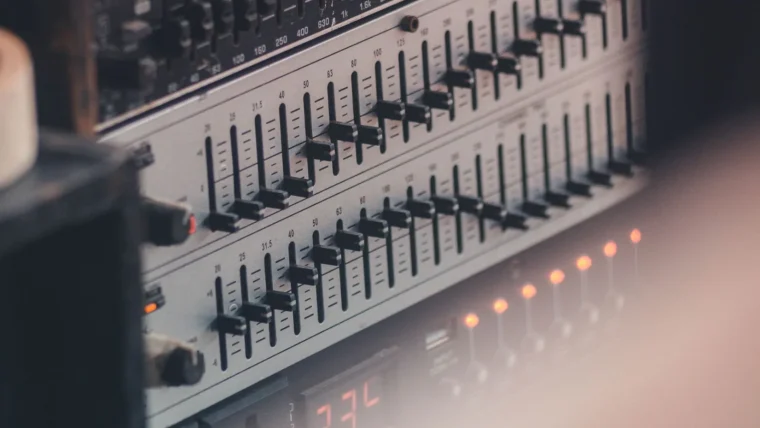
The honest answer on what a new stereo actually changes, from DACs to preouts, and where the real gains hide.
Read guide
What DIN Size Is My Car? How to Measure
A hands-on way to figure out whether your dash takes a single DIN, double DIN, or something oddly shaped in between.
Read guide
Floating vs Modular vs Standard Head Unit Screens
Three screen styles, three very different looks on your dash. Here is how to pick the one that fits your car and your daily driving.
Read guide