How Much Does Head Unit Installation Cost?
A real breakdown of what you pay for parts, labor and the little extras nobody warns you about, whether you do it yourself or hand it to a shop.

Key takeaways
- DIY installs usually run $30 to $120 in adapters and tools on top of the stereo itself.
- Shop labor typically lands between $75 and $200 per hour of bench time, often $100 to $250 total.
- The wiring harness, dash kit and steering wheel control adapter are the costs people forget.
- A tricky dash or a factory amp can push a pro install past $400 fast.
- Getting a firm quote before you buy the stereo saves the most money.
You found the perfect touchscreen stereo on sale for $199, added it to your cart, and then a nagging thought hit you. What is it actually going to cost to get this thing into the dash and playing music?
That question trips up more people than the stereo choice itself. The unit price is the part you see. The install is the part that quietly doubles your total when you are not paying attention.
I spent years pulling factory radios out of everything from a beat-up Civic to a loaded F-150, so let me walk you through the real numbers. Not the sticker on the box, but what actually leaves your wallet.
The two roads: DIY or hand it to a shop
Your first fork in the road decides most of the price. Doing it yourself keeps labor at zero but adds a learning curve. Paying a shop buys you speed and a warranty on the work.
A DIY install on a common car might cost you $30 to $120 beyond the stereo. That covers the adapters and maybe a cheap trim tool. A shop doing the same job usually charges $100 to $250 in labor, sometimes more if your dash fights back.
Neither is wrong. I have done both, and the right call depends on your car, your patience, and whether you own a few basic tools already.
Pro tip
Get a written labor quote from a shop before you buy the stereo online. Some cars are a 45-minute job and some are a three-hour headache, and the shop can tell you which yours is in about two minutes.
What the DIY route really costs
People love saying DIY is free. It is not free, it is just cheaper. Here is where the money goes.
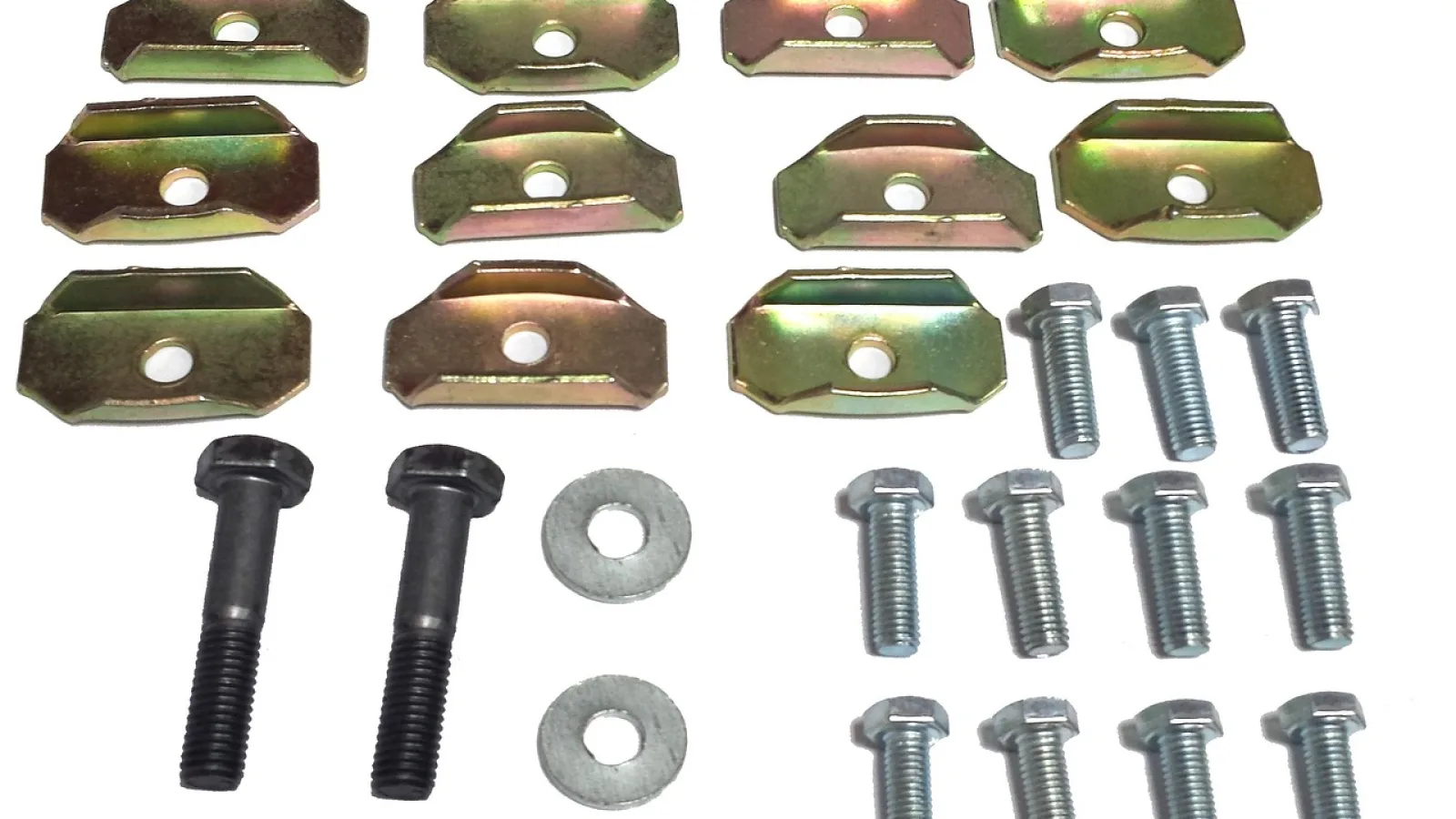
The wiring harness adapter is the big one. This little plug lets your new stereo connect to your car’s factory wiring without cutting a single wire. For most cars it runs $10 to $30. Skip it and you are splicing wires by hand, which I do not recommend for a first-timer.
Next is the dash kit, sometimes called a trim ring or install kit. It fills the gap around the new unit so it looks factory instead of like a hole with a radio floating in it. Budget $15 to $50 depending on how fancy your dash is.
If you want to keep your steering wheel buttons working, you need a control adapter. That is another $20 to $60. A lot of folks forget this one and then get annoyed when the volume button on the wheel goes dead.
- Wiring harness adapter that matches your car ($10 to $30)
- Dash kit or trim ring for a clean fit ($15 to $50)
- Steering wheel control adapter if you use those buttons ($20 to $60)
- Antenna adapter for certain makes like Ford or VW ($5 to $15)
- Plastic trim removal tools so you do not scratch the dash ($8 to $20)
- A basic crimp connector kit or a soldering iron you already own
Add it up and a typical DIY job lands around $50 to $150 in extras. On an easy car it can be under $40. On something with a factory amp or fiber optic audio, it climbs.
Watch out
Some cars run their factory amplifier and speakers through the radio in a way that breaks when you swap the unit. If you lose your speakers after install, you probably needed an amp integration adapter, which adds $30 to $80. Check for this before you buy.
What a shop charges and why
Shop pricing is mostly labor, and labor is mostly about how ugly your dash is to take apart. A clean, common install is quick. A luxury car with a screen glued into the console is not.
Most car audio shops charge $75 to $200 per hour. The install itself is often billed as a flat rate rather than by the clock. A straightforward single unit swap usually runs $100 to $150 in labor. Add steering wheel controls, a backup camera, or amp integration and it climbs toward $250 or more.
Big box retailers sometimes run install promotions, occasionally free labor if you buy the stereo from them. Read the fine print. The free labor usually still charges you for all those adapters, and their adapter prices are rarely the cheap ones.
The cheapest quote and the best install are almost never the same shop. I would rather pay $60 more for someone who tucks the wires and tests every function before I drive off.
A side-by-side look at the numbers
Here is a rough comparison for a common sedan, the kind of car most people are working with. Prices assume you already bought the stereo.
| Cost item | DIY | Shop install |
|---|---|---|
| Wiring harness adapter | $10 to $30 | $25 to $50 |
| Dash kit | $15 to $50 | $30 to $70 |
| Steering wheel control adapter | $20 to $60 | $40 to $80 |
| Labor | $0 | $100 to $200 |
| Tools you may need to buy | $8 to $20 | $0 |
| Typical total | $50 to $150 | $200 to $400 |
Those shop adapter prices look higher because shops mark up parts. That markup is normal and it is part of how they stay open. You are paying a little extra for the convenience of not sourcing anything yourself.
The hidden costs that surprise people
The base numbers are only half the story. A few situations reliably blow up the budget, and knowing them ahead of time saves a bad afternoon.
A factory amplifier or premium sound system
Cars with badged audio, think Bose, JBL, or Harman Kardon, often route sound through a dedicated amp. Bypassing or keeping that amp working takes a special adapter and sometimes extra labor. Figure an added $40 to $120.
Backup cameras and extra features
If your new unit supports a reverse camera and you want one, the camera plus install adds $50 to $200. Running the wire to the back of the car is the tedious part, and that is what you are paying for.
Data and warning message integration
Newer cars pipe climate control, parking sensors, and warning chimes through the factory screen. A CAN bus interface keeps those alive after the swap and runs $30 to $100. Without it you might lose a feature you did not know depended on the radio.
Good to know
If your car has a fully digital dash where the radio is baked into a big center screen, an aftermarket swap may not be practical at all. Those setups sometimes need a specialty interface that costs more than the stereo. Confirm your car is a candidate before spending a dime.
How to spend the least without regretting it
The smartest money move is doing your homework before you buy anything. Figure out your DIN size, your wiring needs, and whether your car has any of those hidden gotchas first.
Match the adapters to your exact year, make, and model. A harness that fits a 2015 Camry may not fit a 2016. Buying the wrong part and reordering wastes both money and a weekend.
If you are handy and your car is common, DIY genuinely saves $100 or more. If your dash is tricky or you value the warranty, a good shop is worth every dollar. You can read more about how the whole system connects at this overview of CarPlay if you want the background.
Your next move
Before you buy a single thing, look up your car’s DIN size and find out if it has a factory amp or a digital dash. Those two answers tell you almost everything about your real cost.
Then get one shop quote for comparison, even if you plan to DIY. It costs you nothing and it sets your expectations. If the quote is close to what you would spend on parts alone, letting a pro handle it is an easy call.
A common car with a simple dash is a great first DIY project, and you will feel pretty good driving off with CarPlay you wired yourself. A complicated one is exactly the kind of job you hand to someone who does it every day. Either way, knowing the numbers up front means no ugly surprises when the bill lands.
Frequently asked questions
Almost always, yes. Doing it yourself skips labor and usually costs $50 to $150 in adapters and small tools. The catch is time and the risk of buying a wrong part, so budget an afternoon and double-check every adapter matches your exact car.
A common single unit swap takes a shop about one to two hours. Cars with factory amps, backup cameras, or awkward dash designs can stretch to three hours or more. The dash teardown, not the wiring, is usually what eats the time.
Shops mark up parts to cover overhead, so a harness that costs you $15 online might be $40 there. It is a normal part of their pricing. You are paying a bit extra to skip sourcing and returning parts yourself.
Usually yes, by $20 to $60 for the control adapter, plus a little labor at a shop. Some newer stereos support these buttons through the main wiring harness instead, so check the spec sheet before assuming you need a separate part.
Most cars from the last two decades can, but fully digital dashes where the radio lives inside a large fixed screen are the exception. Those often need a pricey specialty interface or cannot be swapped at all. Confirm your specific model is a candidate first.
Keep reading
Related guides
Budget Head Units With CarPlay: What to Expect
A hands-on look at what cheap CarPlay stereos do well, where they cut corners, and how to buy one without regret.
Read guide
Understanding the Wiring Harness for a New Stereo
What the tangle of wires behind your radio actually does, and why a plug-in adapter saves you from cutting anything.
Read guide
What DIN Size Is My Car? How to Measure
A hands-on way to figure out whether your dash takes a single DIN, double DIN, or something oddly shaped in between.
Read guide