Bluetooth vs USB for CarPlay and Android Auto
A clear look at when a cable beats a wireless link, and when you can happily leave the cord in the glovebox.

Key takeaways
- A USB cable gives the fastest, most stable connection and charges your phone while you drive.
- Wireless CarPlay and Android Auto rely on Bluetooth to pair and Wi-Fi to stream, so both radios matter.
- Older cars with wired-only ports cannot go wireless without an adapter dongle.
- A cheap or worn cable causes more dropouts than any wireless setup ever will.
- Pick the cable for long trips and heavy navigation, pick wireless for quick errands.
You slide into the driver’s seat, coffee in one hand, phone in the other. The car’s ready, the screen’s glowing, and now you have to decide: plug in, or let it connect on its own? That tiny choice shapes how the next 30 minutes go.
I spent years pulling apart dashboards and running cables behind head units, so I’ve watched both methods succeed and fail in real cars. Neither one is flatly better. The right pick depends on your car, your phone, and how you actually drive.
Here’s the honest breakdown, including the parts nobody puts on the box.
What actually happens when you connect
When you use a cable, your phone talks to the car head unit directly over that wire. Data moves fast, the signal is clean, and your phone charges the whole time. Simple.
Wireless is a two-part trick. Your phone first pairs over Bluetooth so the car knows who it is, then the heavy lifting (the map tiles, the album art, the screen mirroring) rides over a private Wi-Fi link between the two devices. Bluetooth alone is not fast enough to push the whole interface, so both radios have to cooperate.
That’s the key thing most people miss. When someone says wireless CarPlay, they mean Bluetooth plus Wi-Fi working together. The Bluetooth vs USB CarPlay question is really cable versus that pairing dance.
Good to know
Plain Bluetooth audio and CarPlay are not the same thing. Bluetooth can stream music and calls to almost any car built after 2010. Full CarPlay, wired or wireless, needs a head unit that specifically supports it.
Speed and stability: where the cable still wins
If I had to bet on which connection stays rock solid on a two-hour drive, I’d pick the cable every time. A wired link doesn’t care about a crowded parking garage or a phone buried under a jacket on the passenger seat.
Wireless can be excellent, but it lives and dies by radio conditions. Park near a busy apartment block with 40 Wi-Fi networks fighting for air, and you might see the map stutter or the audio hiccup. It usually sorts itself out, but it’s a thing that happens.
Response time matters too. Tapping a wired screen feels instant. Wireless adds a tiny lag, often under a fifth of a second, which most people never notice until they switch back to a cable and feel the difference.
| What you care about | USB cable | Wireless (BT + Wi-Fi) |
|---|---|---|
| Connection speed | Fastest, near instant | Slight lag, usually tiny |
| Stability on long drives | Very steady | Good, but sensitive to interference |
| Charges your phone | Yes, always | No, drains it faster |
| Setup each trip | Plug in every time | Automatic once paired |
| Works on older cars | Yes, if car has CarPlay | Only with the right head unit or adapter |
The battery question people forget
A cable feeds your phone while you use it. Run turn-by-turn navigation with the screen bright for an hour and the phone stays topped up instead of bleeding down to 30 percent.
Wireless does the opposite. Your phone is running Wi-Fi, Bluetooth, GPS, and a bright screen all at once, with nothing coming back in. On a long drive that adds up fast.
I’ve watched a friend’s phone drop from 80 percent to 22 percent on a single wireless trip across the state, all because the maps app never stopped working. He now keeps a cable in the door pocket for anything over an hour.
Pro tip
If you love wireless but hate the battery drain, add a cheap wireless charging pad or just drop the phone on a cable for road trips. You get the convenience most days and the safety net when it counts.
Convenience: where wireless earns its keep
Now the flip side. For short hops, wireless is genuinely lovely. You get in, the car connects while you buckle up, and you never touch a cord.
School run, grocery store, quick commute: this is where fumbling for a cable feels like a chore. My phone stays in my bag, the map appears on its own, and I’m rolling.
It also saves your charging port. Every plug and unplug wears the connector a little. Skip that a few times a day and your port lasts longer, which matters if you keep phones for years.
The catch with wireless
Wireless CarPlay needs a head unit built for it, or a plug-in adapter that turns a wired system into a wireless one. Those adapters run about $60 to $120 and work well, though they add their own tiny delay to the pairing.
Android Auto follows the same rules. Wireless needs a compatible car or adapter, and older wired-only systems stay wired without extra hardware.
When a bad cable ruins everything
Here’s the mistake I see most: people blame CarPlay for dropouts when the real culprit is a $4 gas-station cable. A cheap or frayed cable causes more random disconnects than any wireless setup I’ve tested.
The data pins inside a worn connector lose contact when the car hits a bump. The screen goes black for a second, then pops back. People assume the car is broken. It’s the cable.
Watch out
Charge-only cables exist and they will not carry CarPlay data. If your phone charges but the screen never shows CarPlay, swap the cable before you touch any settings. Look for a cable rated for data, not just power.
Use the cable that came with your phone, or a known-good replacement from a name you recognize. It’s the cheapest fix for the most common complaint.
USB-C, Lightning, and what your phone needs
Your phone’s port shapes the wired option. Newer iPhones and every recent Android use USB-C. Older iPhones use Lightning. Both do CarPlay or Android Auto fine over a proper data cable.
The car side is usually a full-size USB-A port, sometimes USB-C on newer models. Match the ends and make sure the cable is short and stiff enough not to flop around. A 3-foot cable is the sweet spot for most dashboards.
The best cable is a boring one: short, data-rated, and from a brand you’ve heard of. Boring cables don’t drop your map at 65 miles an hour.
So which should you use?
Run through this quick check and the answer usually picks itself.
- Long trip with heavy navigation? Use the cable and stay charged.
- Quick errands around town? Wireless saves you the fuss.
- Car is a wired-only model? Cable now, adapter later if you want wireless.
- Seeing random dropouts? Swap the cable before blaming anything else.
- Phone battery already weak? Plug in so you don’t arrive on empty.
For the full picture on how each method sets up from scratch, Apple’s own overview at Apple’s CarPlay support page is worth a look, and Google covers the same ground for Android Auto.
Your next move
If your car does both, try this week: run wireless on your short drives and keep a good cable clipped in the console for anything longer than 45 minutes. Live with it for a few days and you’ll feel which one fits your driving.
Most people land on wireless for daily life and a cable for road trips. That combo gives you the freedom of no cords when you want it and the rock-solid, always-charging link when the drive actually matters.
Whichever way you lean, start with a good cable in the car. It costs a few dollars, fixes the most common problems, and gives you a reliable fallback the day your wireless decides to act up.
Frequently asked questions
A USB cable gives a faster, steadier connection and keeps your phone charged, so it wins for long drives and heavy navigation. Wireless, which uses Bluetooth to pair and Wi-Fi to stream, is more convenient for short trips. Neither is flatly better; it depends on how you drive.
No. Wireless CarPlay uses Bluetooth just to recognize your phone, then switches the actual screen and audio data to a private Wi-Fi link between the phone and car. Bluetooth on its own is not fast enough to carry the full interface.
Only if you add hardware. If your car supports wired CarPlay but not wireless, a plug-in adapter costing roughly $60 to $120 can convert it. Without that adapter, an older wired-only head unit stays wired.
The usual cause is a cheap or worn cable losing contact, especially over bumps. Charge-only cables also cannot carry data. Swap in a data-rated cable from a known brand before changing any settings, since that fixes most dropout complaints.
Yes. Running Wi-Fi, Bluetooth, GPS, and a bright screen with no cable feeding power in will drain the phone noticeably on longer drives. A wireless charging pad or an occasional cable solves it.
Keep reading
Related guides
How to Set Up Wireless CarPlay the First Time
Pair your iPhone to your car over Bluetooth and Wi-Fi in a few minutes, with the fixes for the moments it stalls.
Read guide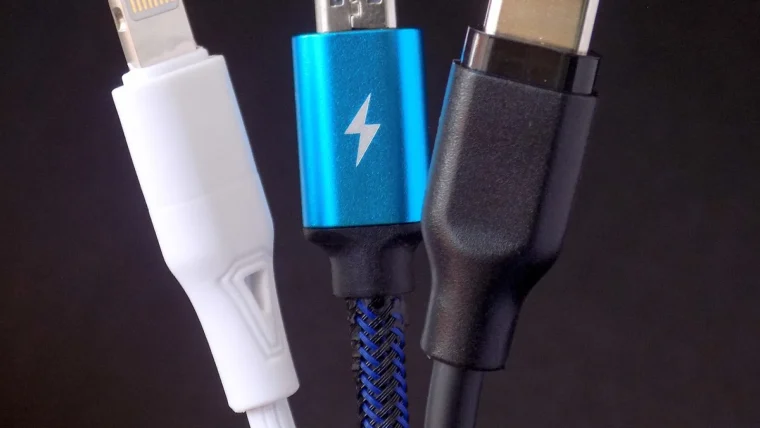
USB-C vs Lightning for CarPlay: Does It Matter?
Your iPhone connector changed, but does that actually affect how CarPlay behaves in the car? Here is the honest answer.
Read guide
How to Arrange and Customize Your CarPlay Apps
Move, hide, and reorder your CarPlay apps so the ones you actually use sit front and center every drive.
Read guide