Adding CarPlay to an Older Car With a New Stereo
A plain-spoken walkthrough for swapping a tired factory radio for a modern head unit that runs CarPlay in a car that never shipped with it.

Key takeaways
- Any car with a standard radio opening can get CarPlay through an aftermarket head unit, no matter the model year.
- Budget for the radio plus a wiring harness, a dash kit and often an antenna adapter, not just the screen.
- Wired CarPlay needs a USB cable to the phone; wireless is convenient but costs more up front.
- Most swaps take a weekend afternoon and cost between $200 and $600 in parts.
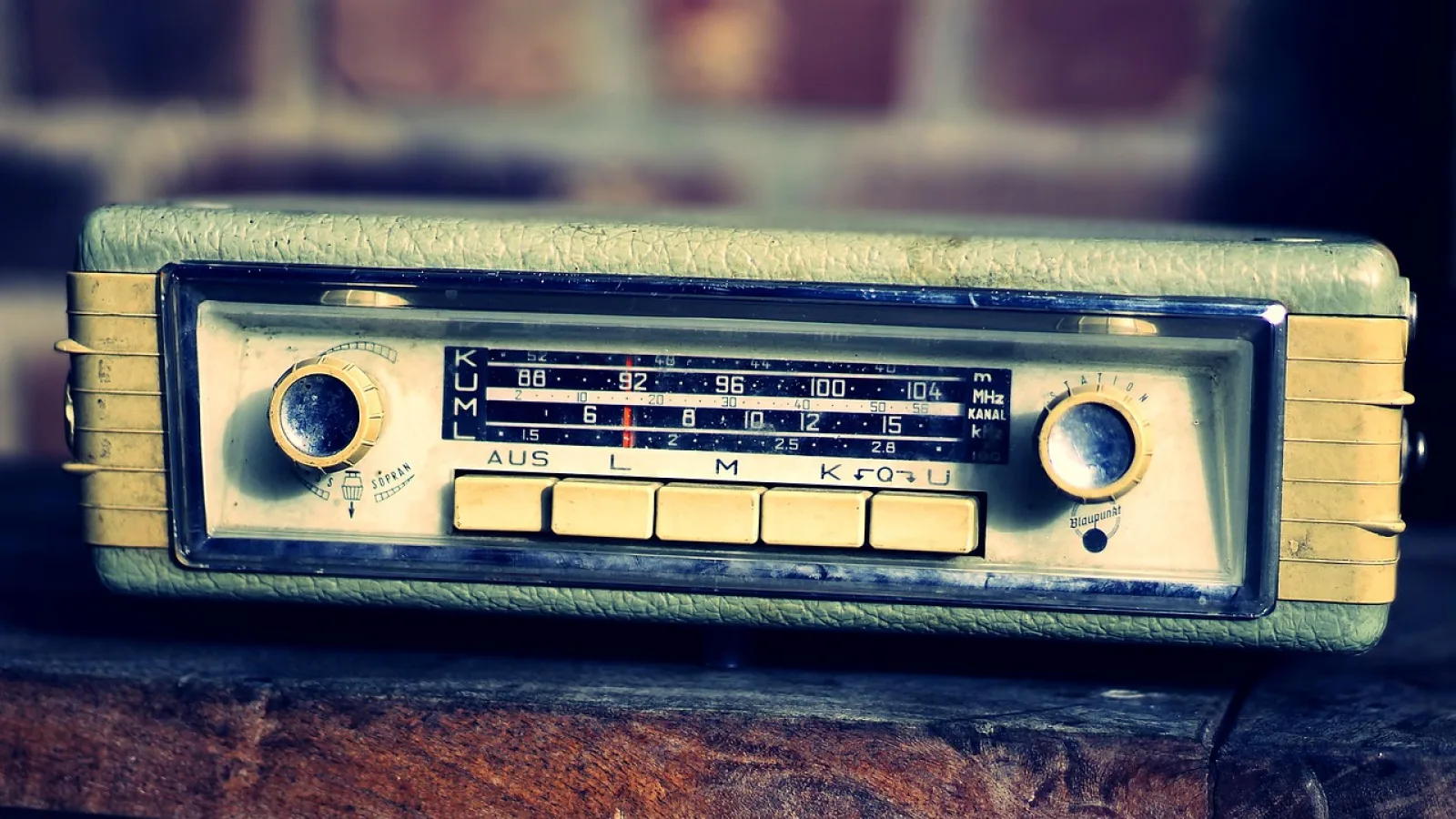
Picture a 2009 sedan that still runs great. The engine is fine, the seats are comfortable, and you have no interest in a car payment. The one thing that feels ancient is the radio: a tiny monochrome screen, a CD slot you have not touched in years, and a headphone-jack aux at best. You plug your phone in, prop it in a cupholder, and squint at maps while you drive.
That radio can go. In its place you can drop a modern touchscreen that runs CarPlay, mirrors your maps and messages, and takes voice commands through the wheel. The car does not care that it was built before any of this existed.
I have done this swap on everything from a beat-up Civic to a farm truck, and the path is the same every time. Here is how you get there without guessing.
Why an aftermarket head unit is the real answer
People hear about phone mounts, wireless adapters and little plug-in dongles, and they wonder if any of those turn an old car into a CarPlay car. Short version: not really, not for a factory radio without a screen. Those add-on boxes assume you already have a display that supports CarPlay. Your 2009 radio does not.
The clean fix is to replace the head unit itself. An aftermarket unit is a self-contained computer with its own screen and CarPlay built in. You are not tricking the old radio into anything. You remove it and install hardware designed for exactly this.
To add CarPlay to an older car stereo, that swap is the whole game. Everything else in this guide is just the supporting cast that makes the new radio fit and work.
Good to know
Android Auto works the same way on these units. Almost every head unit that runs CarPlay also runs Android Auto, so a mixed household with an iPhone and a Pixel is covered by one radio.
Figure out what fits your dash first

Before you buy anything, you need to know the size of the hole in your dash. Radios come in two common sizes. Single DIN is the short one, roughly 2 inches tall. Double DIN is twice that, about 4 inches tall, and it is what most touchscreens need.
Older cars are a mixed bag here. Many 1990s and 2000s vehicles used a single DIN opening, sometimes with a storage pocket underneath. Others gave you a full double DIN slot. A quick measure with a ruler settles it, and there are whole guides on measuring DIN size if you want to be sure.
If your car is single DIN, you have two routes. Buy a single DIN unit with a flip-out or pop-up screen, or use a double DIN dash kit that reshapes the opening if your car supports it. The flip-out route is the common one for tight dashes.
Where to look up your car
Retailers like Crutchfield have a fitment tool where you enter your year, make and model, and it tells you the DIN size, the dash kit part number, and which harness you need. I lean on tools like that even after years of doing this. It saves a lot of returned parts.
The parts list nobody warns you about
The radio is the headline, but it is not the only thing in the box you need. A first-time buyer often orders just the head unit, gets it in the mail, and then realizes it will not physically mount or electrically connect. Here is the full kit.
| Part | What it does | Rough cost |
|---|---|---|
| Head unit | The touchscreen radio with CarPlay built in | $150-$450 |
| Wiring harness adapter | Plugs into your car’s factory connector so you avoid cutting stock wires | $15-$40 |
| Dash kit | Trim and brackets that make the new radio sit flush | $15-$50 |
| Antenna adapter | Converts your car’s antenna plug to the standard the radio expects | $8-$20 |
| Steering control adapter | Keeps your wheel buttons working (if your car had them) | $20-$50 |
Add it up and a typical CarPlay swap on an older car lands somewhere between $200 and $600 in parts. The head unit price swings the total the most. Wireless CarPlay models sit at the higher end.
Pro tip
Buy the harness adapter and dash kit at the same time as the radio, from a seller that confirms fitment for your exact car. Ordering them piecemeal is how a two-hour job turns into a two-week wait for one $12 part.
Wired versus wireless CarPlay in an old car
Both work fine in a 15-year-old car. The difference is the cable.
Wired CarPlay means you plug your phone into a USB port on or behind the radio every time you get in. It is dead reliable and cheaper. The tradeoff is a cable draped across your center console.
Wireless CarPlay connects over Wi-Fi and Bluetooth once it is paired, so you leave the phone in your pocket or a wireless charging pad. It is genuinely nice on a daily commute. It costs $50 to $150 more, and on rare occasions it needs a re-pair after a phone update.
For an older car, I usually tell friends to start wired unless the convenience really matters to them. You can always run a phone charger to the USB port and get most of the benefit. If you want the deeper tradeoffs, the topic of what to look for in a wireless unit is worth its own read.
The car does not know or care whether the CarPlay signal arrives over a cable or over Wi-Fi. That choice is purely about your daily habits.
The install, start to finish
This is the part people fear and then find anticlimactic. On most older cars it is a weekend afternoon with hand tools.
- Disconnect the negative battery terminal so you do not short anything.
- Pry off the trim panel around the radio with a plastic pry tool.
- Remove the screws holding the factory radio and slide it out.
- Unplug the factory wiring connector and the antenna lead.
- Match the harness adapter to the new radio, wire by color, and crimp or solder the joins.
- Plug in the antenna adapter and any USB or camera leads.
- Slide the new unit into the dash kit, test power and sound before buttoning up.
- Snap the trim back on and reconnect the battery.
The wiring step is where most of the thinking happens. The harness adapter turns it into a color-matching exercise instead of a guessing game, which is the whole reason to buy one. Understanding how that harness maps to your car is worth a few minutes of reading before you start.
Watch out
Test everything while the radio is still hanging out of the dash. Power, sound from all speakers, and a phone plugged in for CarPlay. Finding a dead speaker after you have snapped every trim panel back on is a special kind of annoying, and I have earned that lesson the hard way.
Keeping the stuff you already liked
Two things worry people about ditching the factory radio: steering wheel buttons and the backup camera.
Steering controls almost always carry over. A small adapter module reads your wheel buttons and tells the new radio what they mean, so volume and track skip keep working. It costs about $20 to $50 and is a common part for popular cars.
If your older car had a backup camera, most aftermarket units accept that video feed with the right adapter. If it never had one, this is a great moment to add a $30 camera, since the wiring is already torn apart. Apple keeps a plain-language overview of CarPlay features on its support page if you want to see what the interface offers before you commit.
Quick note
Factory amplifiers and premium sound systems in some older cars need an extra interface to play nicely with an aftermarket radio. If your car had a badged sound system, check fitment notes for an amp bypass or retention harness.
Your next move
Start with the tape measure and the fitment lookup. Once you know your DIN size and the exact harness and dash kit part numbers for your car, the rest of the shopping is straightforward and the install is a calm afternoon.
If wiring makes you nervous, a local shop will install a unit you supply for $75 to $150 in labor, and that is money well spent for peace of mind. Either way, that old car of yours is one radio swap away from maps, messages and music that feel current. The engine keeps running, the car payment never shows up, and you finally stop squinting at a phone in the cupholder.
Frequently asked questions
Almost any car with a standard radio opening can get CarPlay through an aftermarket head unit. Vehicles from the 1990s onward are common candidates. The main limits are physical fit and, on cars with factory amplifiers, needing an extra interface module.
No, and you should not have to. A wiring harness adapter plugs into your factory connector and gives you labeled wires to match to the new radio. You join the two harnesses rather than cutting into your car's original wiring, which keeps the swap reversible.
Parts usually run between $200 and $600 depending on the head unit and whether you want wireless CarPlay. Add $75 to $150 if a shop installs it for you. The head unit itself is the biggest swing in the total.
Usually yes. A small steering control adapter, around $20 to $50, reads your factory buttons and translates them for the new radio. Volume, track skip and phone answer typically keep working once it is wired in.
It depends on your habits. Wireless is convenient because you never plug in, which is nice on a daily commute, but it costs $50 to $150 more. Wired CarPlay is cheaper and rock solid, and pairing it with a phone charger gets you most of the benefit.
Keep reading
Related guides
Budget Head Units With CarPlay: What to Expect
A hands-on look at what cheap CarPlay stereos do well, where they cut corners, and how to buy one without regret.
Read guide
Adding a Backup Camera to an Aftermarket Head Unit
A plain-spoken walkthrough for wiring a reverse camera to your new stereo so it flips on the moment you shift into reverse.
Read guide
How to Install an Aftermarket Head Unit Yourself
A real garage-floor walkthrough for swapping your factory stereo for a new touchscreen deck in an afternoon.
Read guide