Keeping a Portable CarPlay Screen Secure From Theft
A bright screen stuck to your dash is a magnet for smash-and-grab thieves. Here is how to keep yours out of reach.


Key takeaways
- A visible dash screen is one of the top three items thieves scan for through a car window.
- Take the unit and its mount off the glass every time you park in public.
- Route power cables out of sight so nothing hints at what is stored in the glovebox.
- A cheap steel mount and a tinted window do more than any anti-theft app.
- Photograph the serial number and register the device before anything happens.
You walk back to your car after grabbing coffee and the driver window is gone. Little cubes of glass all over the seat. The screen you paid $180 for is gone, and so is the phone cable, the mount, and the little suction arm. It takes a thief maybe eight seconds.
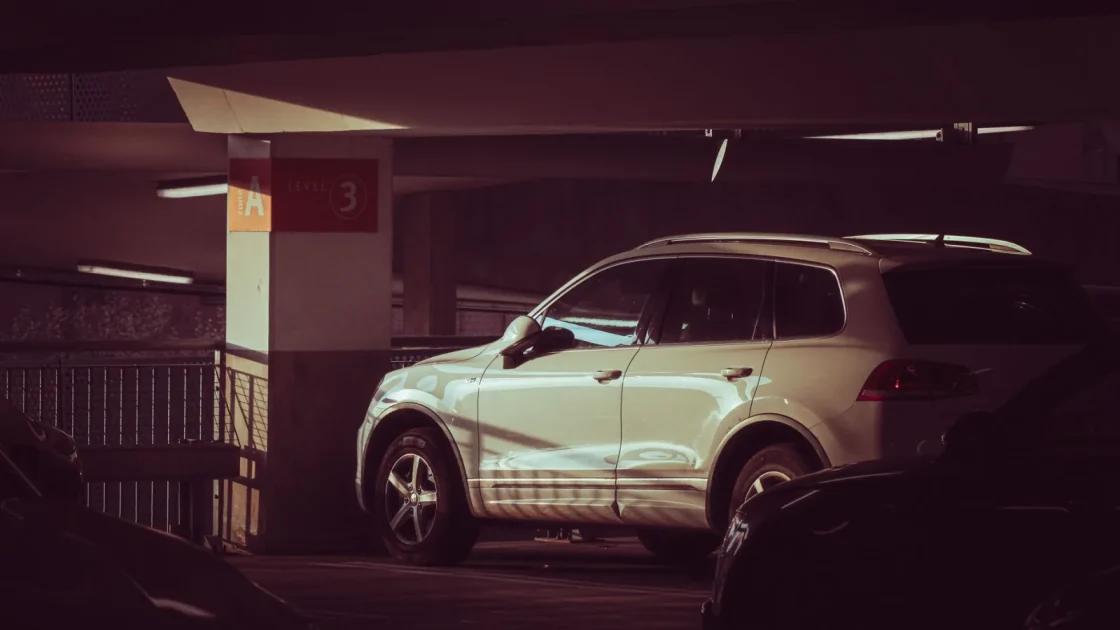
I have seen this happen to two customers and one friend, and every single time the car had a shiny display parked in plain view on the dash. That glow is basically a shop sign. It says there is electronics in here, come and get it.
The good news is that a portable screen is portable for a reason. Unlike a bolted-in head unit, you can make yours vanish in under a minute. Do that, plus a couple of small habits, and you drop your odds of a break-in to almost nothing.
Why a Dash Screen Is Such an Easy Target
Thieves who work parking lots and side streets do not plan much. They walk the row, glance through each window, and act on whatever they can grab and sell fast. A 7-inch or 9-inch screen sitting on a suction mount checks every box for them.
It is visible, it is worth $50 to $150 secondhand, and it comes off with one tug. Compare that to a real aftermarket radio wired into the dash, which takes tools and time to pull out. The whole appeal of a portable unit, easy on and easy off, is also its weakness.
There is a second problem people forget. Even when the screen is hidden, a dangling USB cable or a suction ring left on the windshield tells the thief something worth stealing is nearby. They will pop the glovebox on a hunch.
Watch out
Wiping the suction ring mark off your windshield matters more than you think. That greasy circle is a tell. I have watched a thief in a parking garage video zero in on a car purely because of the ring, then check the glovebox and find the screen tucked inside.
The One Habit That Beats Everything Else
Take it with you. That is the whole trick, and it works better than any lock, alarm, or app you can buy.
Most portable CarPlay screens pop off their mount in one motion. The unit slides into a jacket pocket or the side sleeve of a bag. If you are only running into a store for two minutes, at least drop it into the trunk where nobody can see it through a window.
The reason this beats hardware solutions is simple. A thief cannot steal what is not there, and they cannot know it exists if there is no trace of it. No screen, no cable, no mount, no reason to break your window.
- Pull the screen off the mount before you leave the car
- Unclip the suction arm and stash it below the dash line
- Tuck the power cable behind the trim, not draped over the console
- Wipe the suction ring off the glass with your sleeve
- Do a quick glance from outside the driver window before you walk off
Sixty seconds, tops. Do it enough times and it becomes muscle memory, the same way locking the door already is.
Mounting Choices That Slow a Thief Down
Sometimes you cannot take the screen with you, or you leave the car somewhere for hours. That is where the type of mount you chose starts to matter.
A cheap suction cup is great for daily on-and-off convenience but offers zero resistance to a grab. A screw-down or bolt-in bracket, on the other hand, forces a thief to work, and working means noise and time they do not want to spend.
Suction versus fixed brackets
Here is how the common options stack up when theft is your main worry.
| Mount type | Ease for you | Resistance to grab | Best for |
|---|---|---|---|
| Suction cup | Very easy | None, pops off instantly | People who remove the screen every time |
| Adhesive pad base | Easy | Low, peels with effort | Cars kept in a garage |
| Screw-down bracket | Moderate | Medium, needs a tool | Street parking overnight |
| Steel locking cradle | Harder | High, needs a key | High-theft areas |
A steel locking cradle runs $25 to $60 and turns a five-second grab into a two-minute fight with a screwdriver. Most thieves quit long before that. It is the same logic as a wheel lock: you do not need it to be uncrackable, just annoying enough that the guy moves to the next car.
Pro tip
If you go with a fixed bracket, mount it low and centered on the dash rather than up high on the windshield. A screen sitting below the window line is much harder to spot from outside, and a thief who cannot see it has no reason to break in.
Hide the Wiring, Hide the Story
Wiring gives you away even when the screen is gone. A USB cable hanging from the cigarette lighter, a fat power lead running under the trim, a mount arm still clamped to a vent. Each one is a breadcrumb.
When you install the screen, run the power cable behind the dash trim and down toward the fuse box or lighter socket so none of it shows. If you hardwired it, even better, because there is nothing dangling at all. The car looks stock.
Coil any spare cable and tuck it into the glovebox or center console, not the door pocket where it peeks out. The goal is a clean interior that gives a passing thief nothing to think about.
The best-protected screen I ever set up looked like the owner did not own one. No mount, no cable, no ring on the glass. You would never guess there was a 9-inch display in the trunk.
Deterrents That Actually Earn Their Cost
Plenty of anti-theft gadgets exist, but only a few are worth the money for a portable screen. Here is what I actually recommend to people, and what I skip.
Window tint is quietly one of the best. A legal tint on the front side windows makes it hard to see anything inside at a glance, and thieves rely on that quick glance. It costs $150 to $300 for a full car and pays off in a dozen ways beyond this one.
A visible steering wheel lock or a small alarm sticker also helps, not because they are unbeatable but because they signal effort. A thief comparing two cars will pick the one with no signals every time.
Good to know
Apple and Google both build device-finding and remote-lock features into their ecosystems, and some portable screens run enough of a phone OS underneath to tie in. It will not stop the smash, but it can help you track or brick a stolen unit. Check what your specific model supports before you count on it.
What to Do Before Anything Goes Wrong
Prevention is most of the battle, but a little prep makes the aftermath survivable if your luck runs out.
Photograph the serial number on the back of the unit and the box it came in. Store those photos somewhere you can reach without the device. If it gets stolen, that serial is what lets police log it and what proves ownership if it turns up.
Register the screen with the maker if they offer it, and note whether your car insurance or a renter policy covers personal electronics left in a vehicle. Many do, up to a few hundred dollars, but only if you can document what was taken.
Quick note
Keep the original receipt in your email, not the glovebox. A stolen glovebox full of paperwork does you no favors, and thieves grab whole folders hoping for something useful.
Your Next Move Tonight
Go out to your car right now and try the sixty-second routine. Pop the screen off, unclip the arm, wipe the ring, tuck the cable. Time yourself. Once you feel how fast it is, doing it every time stops feeling like a chore.
Then order a locking cradle if you park on the street, snap a photo of your serial number, and think about that tint if you have been putting it off. None of these cost much, and together they take you from an obvious target to a car thieves walk right past. A portable screen should make your drive better, not turn your window into a liability.
Frequently asked questions
In any public spot, yes. It takes under a minute and removes the single biggest reason a thief would break your window. If you park in a locked garage at home you can relax that habit, but on the street or in a lot it is the most effective thing you can do.
It does not make the screen impossible to steal, but it turns a quick grab into a slow, noisy job with tools. Most opportunistic thieves quit and move to an easier car. A steel locking cradle for $25 to $60 is one of the better-value upgrades for a screen you cannot always remove.
It depends on the model. Some units run enough of an Android base to support device-finding or remote lock, while simpler mirror-only screens have no such feature. Check your specific device before relying on it, and always record the serial number as a backup.
Tint alone pays off in heat reduction and privacy, so protecting your screen is a bonus rather than the whole reason. A legal front tint makes a quick glance through the glass reveal nothing, which is exactly how most street thieves pick their targets. Expect $150 to $300 for a full car.
Sometimes, often up to a few hundred dollars, but coverage varies widely by policy and by whether the item was permanently installed. You will almost always need proof of ownership and the serial number to file a claim. Check your policy details and keep a receipt saved in your email.
Keep reading
Related guides
Portable CarPlay Screens With a Built-in Dashcam
How combo screens that run CarPlay and record the road actually work, what to look for, and where they fall short.
Read guide
What Is a Portable CarPlay Screen, Exactly?
A plain-English look at the small dashboard displays that add wireless CarPlay to almost any car without touching your factory stereo.
Read guide
Are Portable CarPlay Screens Actually Worth It?
An honest look at where these clip-on screens shine, where they fall short, and which drivers should actually buy one.
Read guide